By John Corrado
★★★ (out of 4)
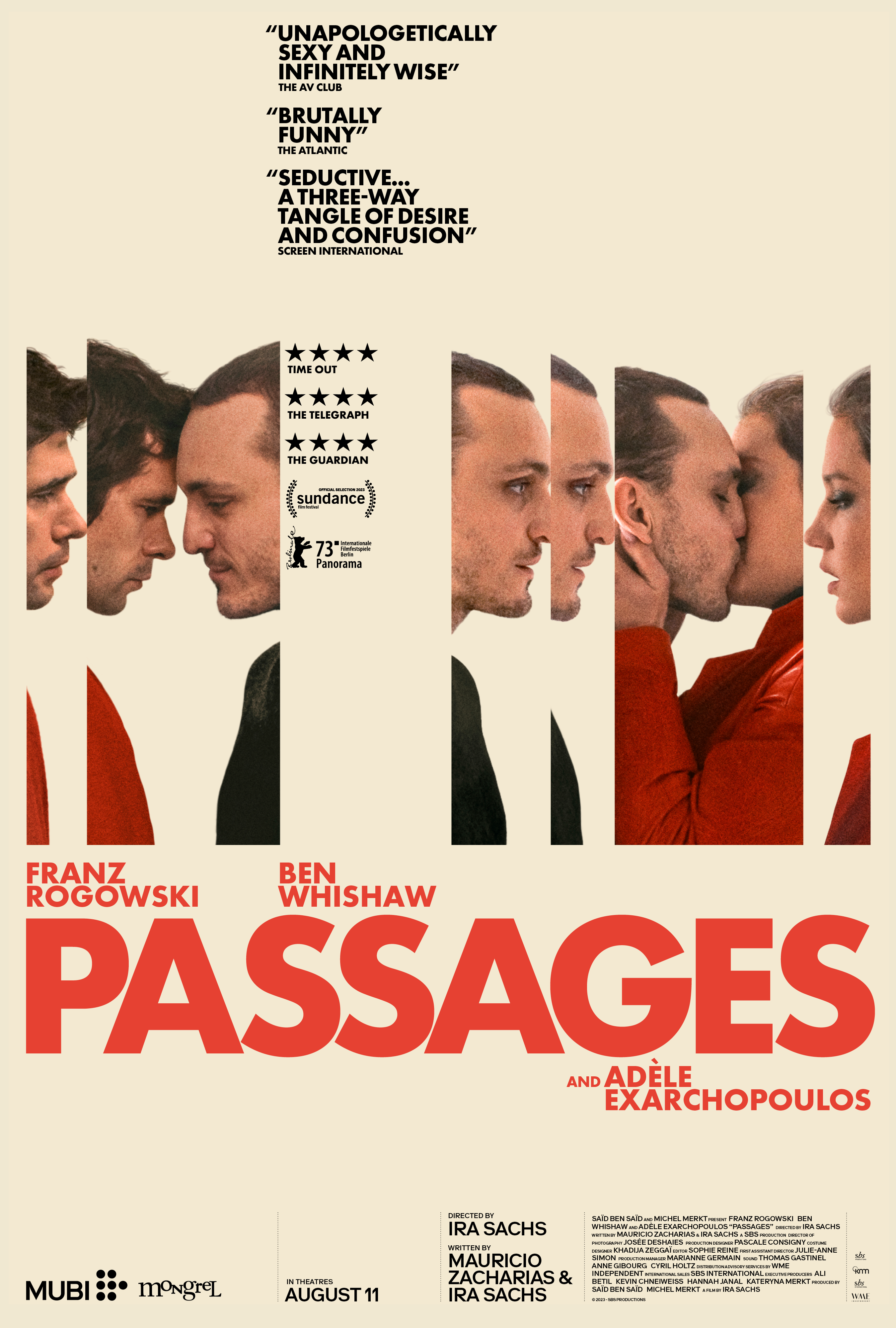 The latest from American indie film director Ira Sachs (Love is Strange, Little Men), which premiered at Sundance and was the opening night film at the Inside Out 2SLGBTQ+ Film Festival in Toronto, Passages charts the sexually charged and emotionally messy dynamics between three people in modern Paris.
The film opens with its protagonist Tomas (Franz Rogowski), a young filmmaker, on the set of his latest movie (which also shares the name Passages), with his control freak nature coming across in how he directs his cast members. Tomas is very particular with what he wants, and we observe that he has a way of getting it from people through persuasion and manipulation.
Tomas is married to Martin (Ben Whishaw), but starts cheating on his husband with Agathe (Adèle Exarchopoulos), a young female teacher whom he meets at the wrap party. If the two men already had an open relationship is not made clear, but one senses that Tomas expects it to be one whether Martin is on board or not.
The screenplay, which Sachs co-wrote with Mauricio Zacharias, details the fallout from this affair, as the more sensitive Martin deals with his own emotional reactions to his husband’s decision to have sex with a woman, and Tomas tries to keep both Martin and Agathe in his orbit. The tightrope that Sachs has to walk with Passages comes from the simple fact that Tomas is not a particularly likeable protagonist, yet we must remain drawn to watching him in the same way that both Martin and Agathe are drawn to him in the film.
Deep down, we sense that both partners know that he is not only bad for them, but also using them both for his own needs, yet Sachs makes it somehow believable that they keep circling back to him. This is in large part thanks to a compelling performance by Rogowski, who is somehow able to find that balance between magnetic and repellent in his portrayal of a narcissistic, bisexual German film director (possibly inspired by Rainer Werner Fassbinder; at least the similarities seem less than coincidental).
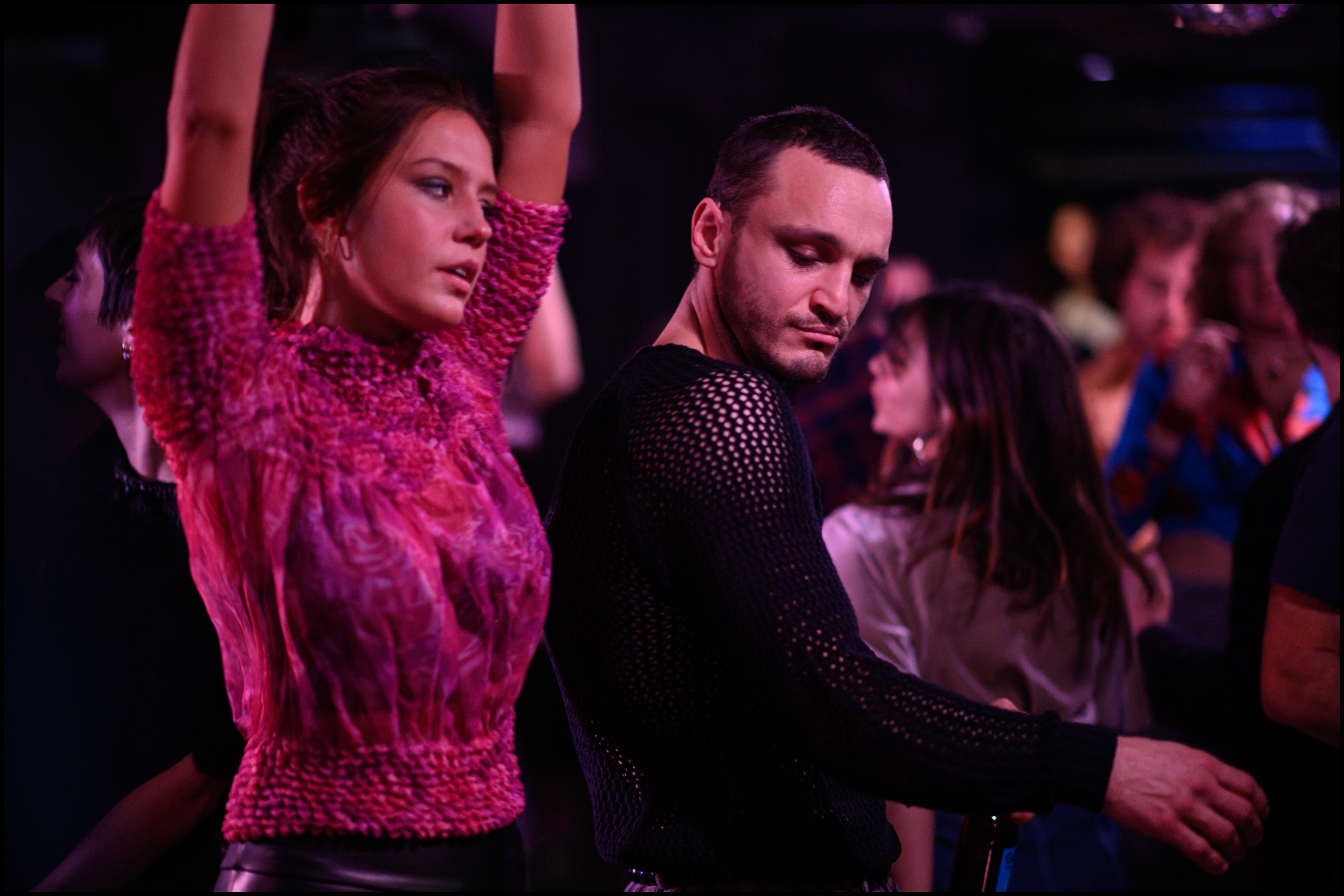
Much has been made of the extended sex scenes, which garnered Passages the dreaded NC-17 rating for both their length and graphic nudity. But the scenes are in keeping with the unfiltered and unvarnished nature of the film, and how Sachs captures the emotional messiness of his characters. The film’s rawness is its main feature. French-Canadian cinematographer Josée Deshaies shoots the sex scenes in the same steamy long takes as the early will-they, won’t-they wrap party dance between Tomas and Agathe that first brings both characters together, and sets the sultry vibes for the film.
It’s a dance between partners who perhaps shouldn’t be together that we nevertheless can’t look away from, with characters that are involving to watch even if they aren’t exactly, well, likeable. As a portrait of the marital foibles of self-absorbed millennials, Passages feels brisk and exciting (especially at a fast-paced ninety minutes), carried by Sachs’ crisp direction and a trio of engaging performances.
Passages opens exclusively in limited release on August 11th, including at TIFF Bell Lightbox in Toronto. It will be available to stream on MUBI at a later date.
 The Joy of Movies