By John Corrado
★★½ (out of 4)
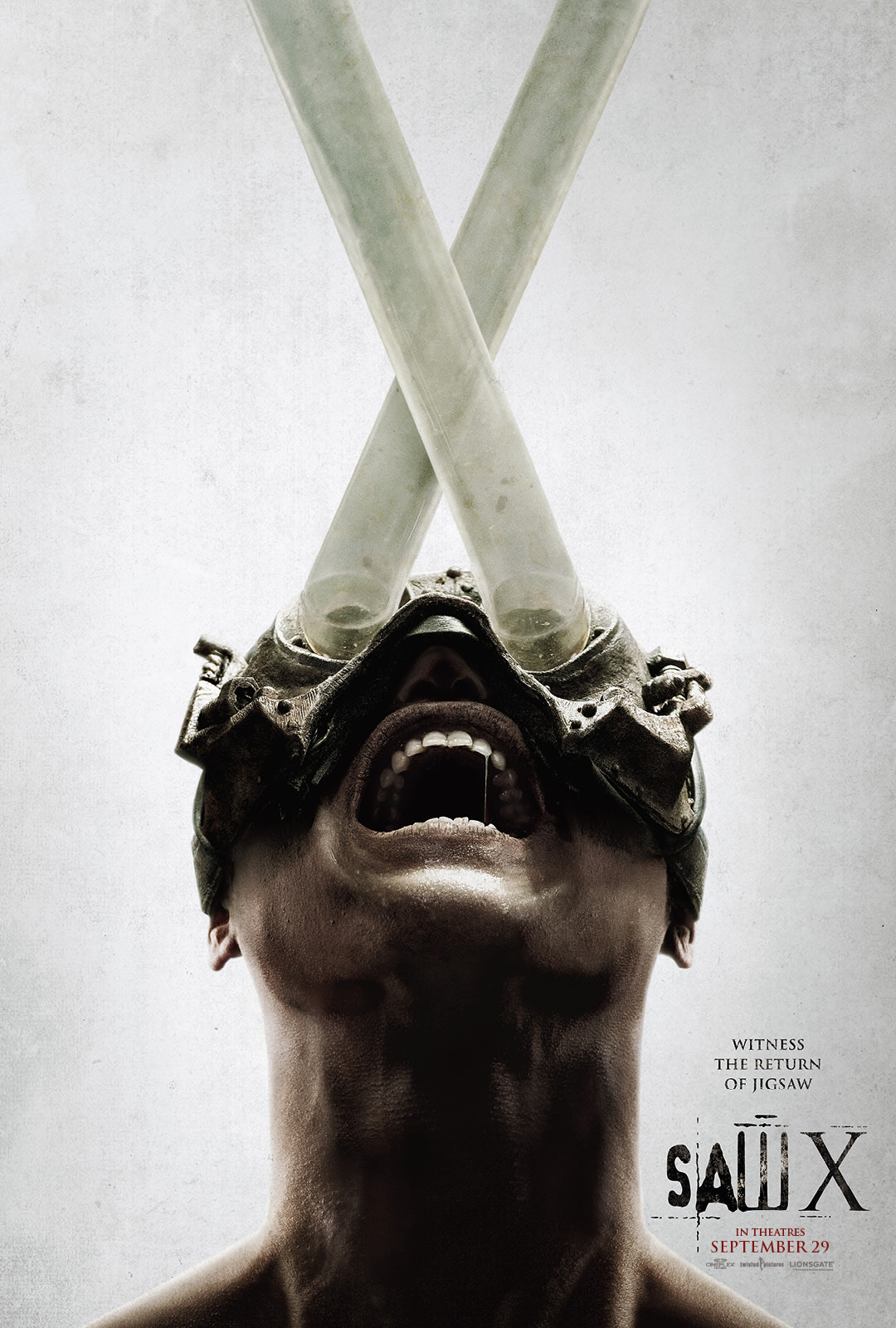 Nearly twenty years after the original Saw in 2004, John Kramer (Tobin Bell) returns in Saw X, the tenth film in the franchise that somewhat cleverly serves as a sort of “midquel” by positioning itself between the events of Saw and Saw II.
There is only so much you can do with this premise ten films in and nearly two decades later, but Saw X is still an appropriately nasty return. While chronologically fitting in between the first and second films, it more has the feel of a legacy sequel. This is really just an excuse to bring back Bell as the Jigsaw killer, and let him get back to his old tricks, while also expanding on the character.
Set directly after the events of the first one, the film opens on Kramer as a sick man in more ways than one. Facing a diagnosis of terminal brain cancer, he travels to Mexico to meet with Dr. Cecilia Pederson (Synnøve Macody Lund) for what promises to be a miracle cure. When it turns out to be a scam, he decides to play a little game to get his revenge on the doctors who gave him false hope, joined by his new apprentice Amanda Young (Shawnee Smith).
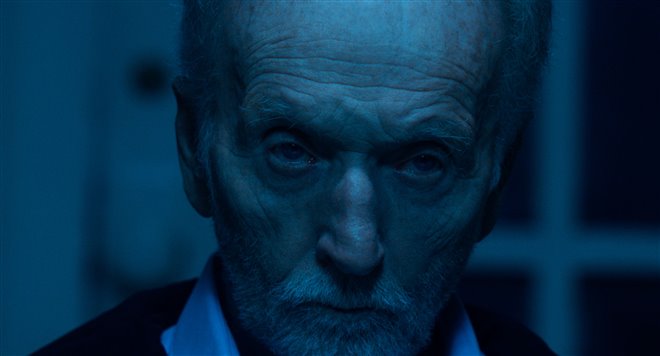
Directed by Kevin Greutert, who edited the first five films in the series and directed the sixth and seventh, the purpose of Saw X is to flesh out Bell’s Kramer, who sees himself as a sort of self-help guru with his own sadistic way of helping people realize what is important in their lives as he reaches the end of his. The film is trying to turn him into a somewhat sympathetic anti-hero figure, and it does give Bell a pretty juicy opportunity to actually lead one of these films and offer a more developed take on the twisted character.
But Saw X also isn’t entirely successful in its more dramatic approach. The screenplay by Josh Stolberg and Peter Goldfinger (who also co-wrote the last two instalments Jigsaw and Spiral: From the Book of Saw) includes arguably too much buildup before it gets to Jigsaw’s demented games. It does feel more grounded in terms of what it tries to do with the characters, but also offers a noticeably more plodding and drawn out entry into the series.
This is the longest film in the franchise at nearly two hours, and it spends a little too much time on exposition and buildup between the traps, making it a bit of a drag to get through at times, especially since it ultimately feels like more of a side plot. Despite its more dramatic tack, the screenplay is actually stronger when finding ways to be a little tongue-in-cheek. The film’s chronological placement within the series also removes some tension in terms of basically already knowing the fate of certain characters.
Still, Saw X is technically one of the stronger sequels, at least from a production standpoint. Because it takes place between the first two, Greutert strives to recapture the grimy, dirty mid-2000s aesthetic of the films that preceded it. Shooting on 35mm in Mexico, cinematographer Nick Matthews does a decent job of capturing the yellowy-grey look of those earlier instalments, while also giving it a slightly more polished look. The score by Charlie Clouser also builds upon his work in the previous films.
While Saw X tries to be more of a character study, it eventually settles into offering more of the same in terms of gruesome puzzles for the characters to solve before their time runs out. Ironically, the film is actually better at embracing this old formula than it is at offering a particularly nuanced exploration of a serial killer. We get a series of medically-inspired new traps that should please fans of the franchise (though the eye trap that has been teased in the marketing feels like a bit of a cop out with how it is actually used in the film), with plenty of gore that will make you squirm in your seat.
How much you enjoy Saw X will likely depend on how much of an affinity you have for the franchise. It’s easy to recognize what the film is trying to do (it’s “elevated Saw,” if you will), while also admitting the ways in which it doesn’t quite work (despite Bell’s performance, there is still only so much you can do with Kramer as a character). It’s also a little bloated and the attempts at offering a more dramatic take on the characters can make it feel a bit plodding at times. In short, it still exists within the confines of a franchise that, despite the psychological underpinnings of Jigsaw tormenting his victims in order to force them to prove their worth, doesn’t go all that deep.
This is very much a fan service sort of film (including the return of a certain creepy puppet on a tricycle), playing mainly to audiences who have stuck with the franchise through the previous instalments. But it does a decent enough job of going through the motions, including some pretty good new traps and entertaining turns from Bell and Smith, making it one of the better films in a slasher series that has settled for schlocky, gruesome thrills.
Saw X opens exclusively in theatres on September 29th.
 The Joy of Movies