By John Corrado
★★★ (out of 4)
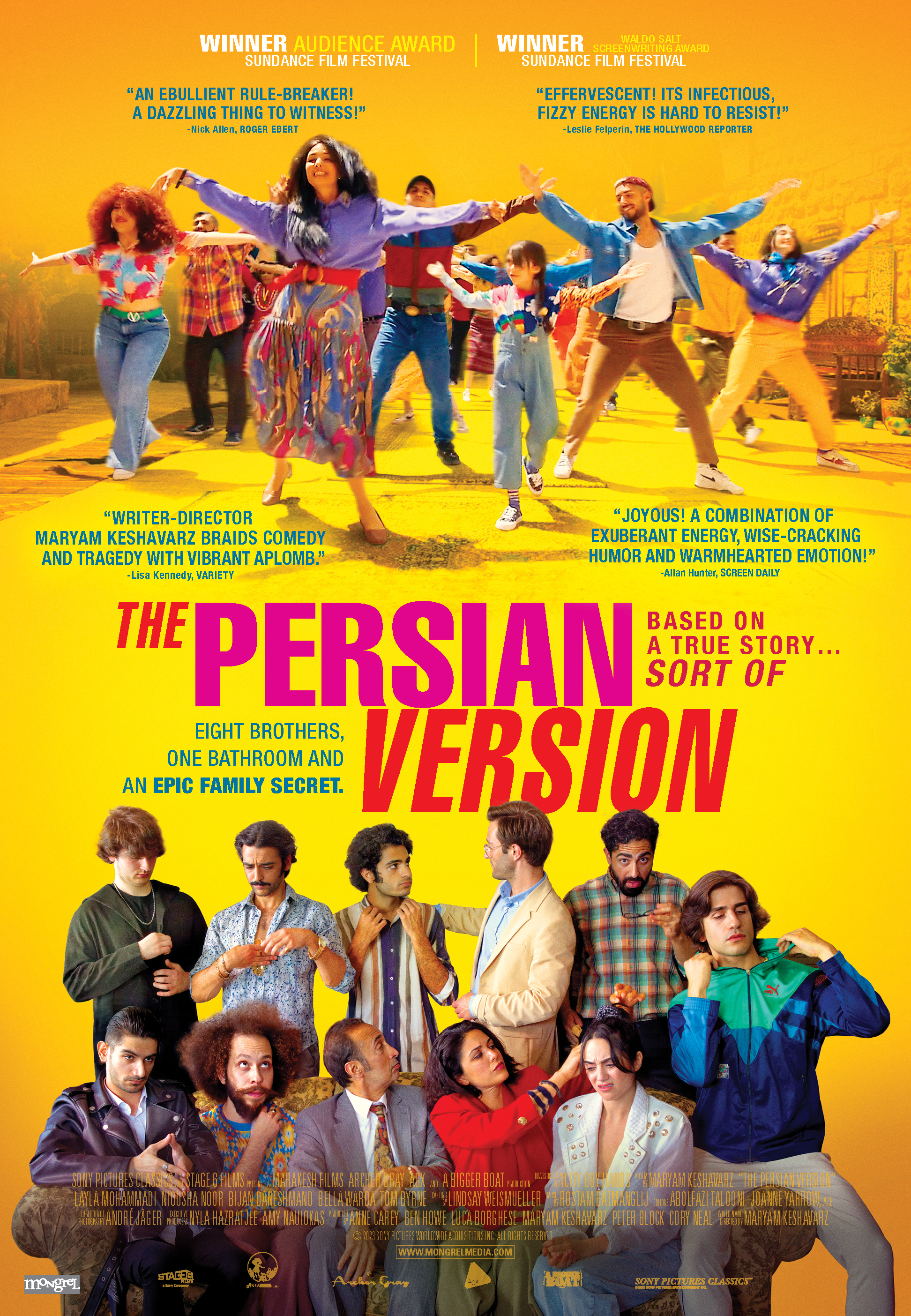 The Persian Version, which premiered at Sundance in January, finds writer-director Maryam Keshavarz (Circumstance) dipping into her own background as an Iranian-American woman to craft an enjoyable, ambitious mother-daughter dramedy.
The film centres around Leila (Layla Mohammadi), an Iranian-American aspiring filmmaker living in New York City. She has become somewhat estranged from her large immigrant family after coming out as queer, and bringing a girl home for Thanksgiving.
Leila is the rule-breaking “black sheep” of the family, who is at odds with her more traditional Islamic upbringing, confessing to the camera early on that she has become agnostic about religion despite her parents’ devotion.
When we first meet Leila, she is going to a Halloween party where her costume is a “burka-ini” made up of a burka on top and a bikini on the bottom, and hooking up with a British actor (Tom Byrne), who is dressed in full drag for his role as Hedwig on Broadway. Leila is particularly at odds with her mother Shireen (Niousha Noor), who wishes her daughter would settle down and follow in her footsteps of finding a husband and having a family.
When Leila’s father Ali Reza (Bijan Daneshmand) goes in for heart replacement surgery, the family begins to reunite around his recovery. Keshavarz’s film also takes on an almost metatextual narrative structure, as Leila is struggling to write a screenplay based on her life. As she starts asking questions about her family, Leila begins to discover aspects of her parents that have simply never been spoken about, with her grandmother Mamanjoon (Bella Warda) willing to share family secrets.
At this point, The Persian Version starts flashing back to show Shireen’s upbringing in Iran, with Keshavarz employing a dual narrative to tell her side of the story. It’s an ambitious story structure, with the film also including flashbacks to Leila’s own childhood in New York and trips back home with her mother (smuggling pop music tapes into the old country). But the director is able to mostly pull it off, crafting a film that is both entertaining and at times bittersweet.
Keshavarz employs a number of playful stylistic touches throughout, with Leila often breaking the fourth wall to provide insight on her life and culture. Despite the character’s more flippant and sarcastic comic sensibility, which Mohammadi naturally plays, the film is still able to sensitively explore the push and pull between mothers and daughters, modernity and tradition, as well as culture and religion that exist within immigrant families.
The film takes on so many different story strands that it does threaten to get a little too messy at times, and some of the supporting characters do feel underdeveloped. And while the movie is kept fast-paced at 107 minutes, it perhaps needed to be longer to allow a few aspects of the story to breathe more. But the somewhat free-flowing structure allows Keshavarz to add fun flourishes like a power montage showing Shireen’s rise as an aspiring businesswoman in the 1990s, or Bollywood-inspired dance sequences.
I admired the scope of Keshavarz’s family dramedy, and the complicated mother-daughter themes do resonate, especially in the heartbreaking flashbacks with young Shireen (played by Kamand Shafieisabet in a standout performance). At its best, The Persian Version strikes a good balance between being fleet and playful, while still having a dramatic impact, with Keshavarz constructing a climax that has elements of farce but builds to a very poignant grace note of an ending.
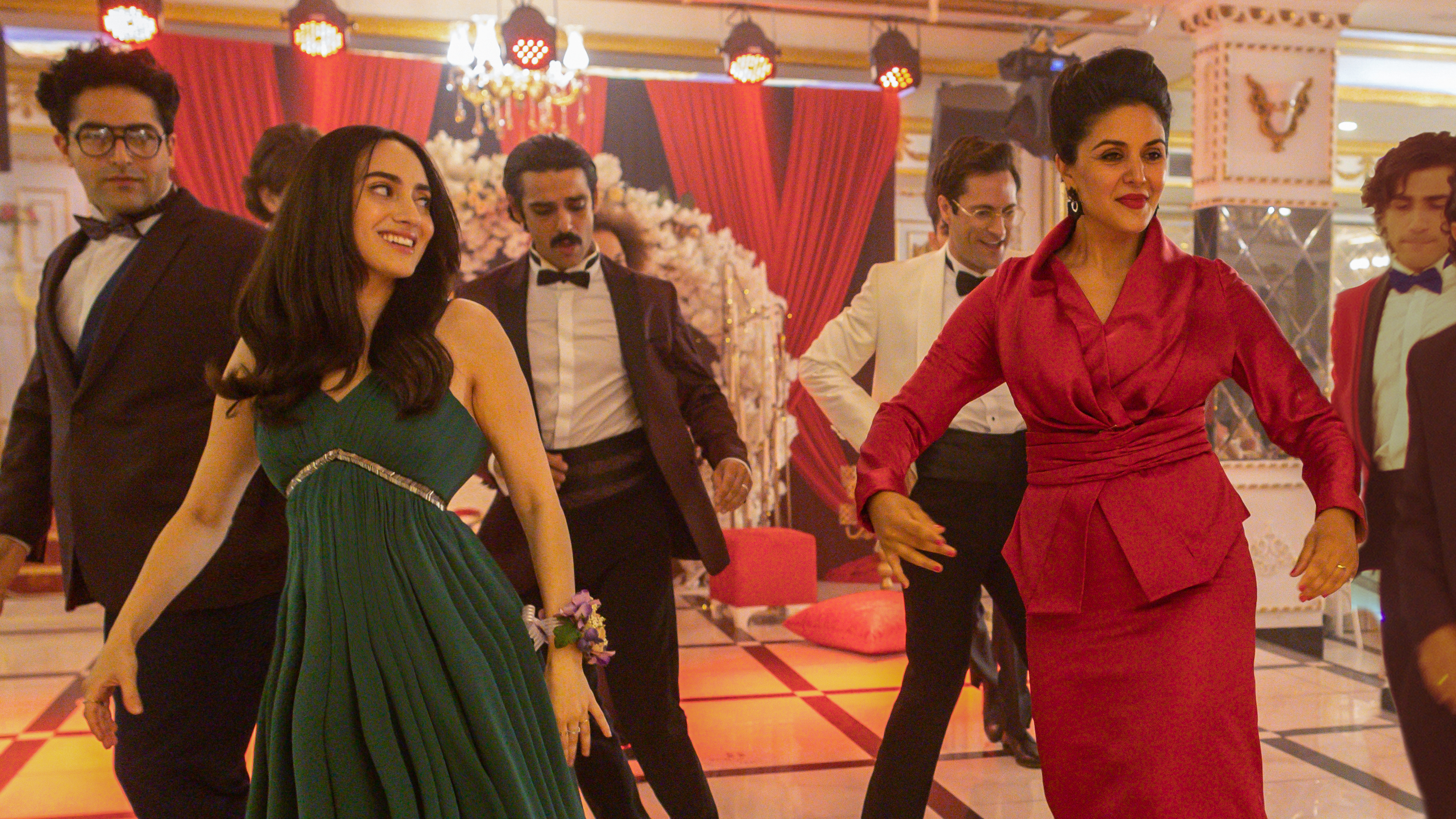
The Persian Version opens exclusively in theatres in limited release on October 20th. It’s being distributed in Canada by Mongrel Media.
 The Joy of Movies