
By John Corrado
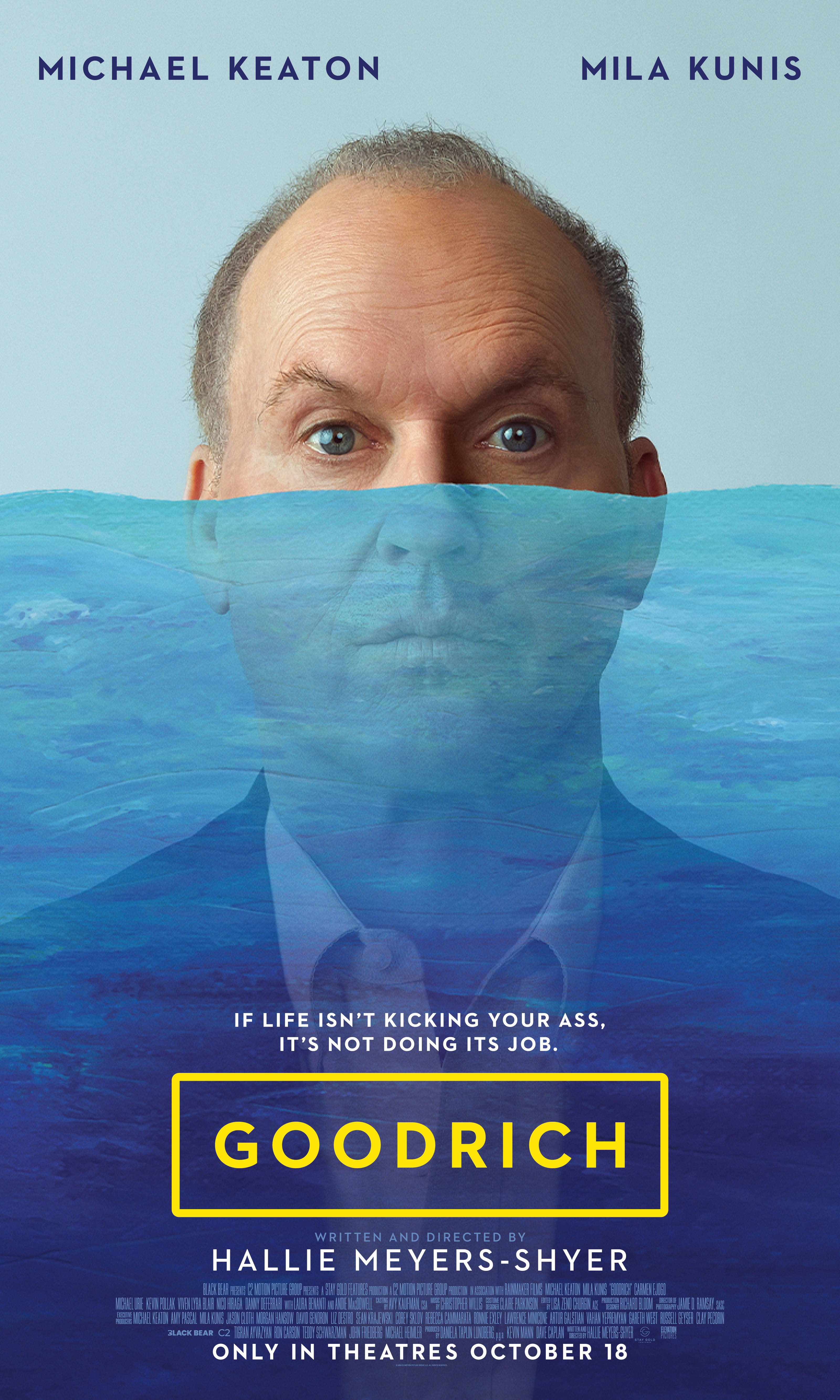 The film Goodrich opens with protagonist Andy Goodrich (Michael Keaton) being awoken by a phone call from his younger wife Naomi (Laura Benanti), who tells him that she has just checked herself into a rehab facility for the next ninety days.
Unbeknownst to Andy, Naomi was dealing with a prescription pill addiction, and also informs him that she will be leaving him when the ninety days are up. It’s obviously a major blow to his life. Then again, he was so oblivious to his wife’s needs that he didn’t even know she had a problem in the first place.
Keaton’s Andy is left to look after their 9-year-old twins Billie (Vivien Lyra Blair) and Mose (Jacob Kopera). But he spends so much time managing his Los Angeles art gallery, that he barely even knows his kids, who repeatedly tell him that they miss their mom.
Andy is at a loss when it comes to parenting the two kids on his own, so he enlists the help of Grace (Mila Kunis), his adult daughter from a previous marriage, who is pregnant with her own first child. It’s this father-daughter relationship – believably portrayed by Keaton and Kunis – that provides the strongest backbone of the film. While Andy wants to take the chance to reconnect with his eldest child, Grace is still trying to come to terms with the residual disappointment of knowing that he was never really there for her growing up.
This is the second feature written and directed by Hallie Meyers-Shyer (the daughter of filmmakers Nancy Meyers and Charles Shyer) following her 2017 debut film Home Again, and Goodrich does find some texture in its portrait of an older man really learning how to be a father for the first time. But the film is uneven, balancing what feels like a few movies in one. It’s a fatherhood dramedy that gives Keaton a chance to sort of revisit his Mr. Mom routine, but also the story of a workaholic art dealer trying desperately to save his gallery.
For lack of a better term, Meyers-Shyer’s depictions of normal, everyday life can feel like the work of a “nepo baby” who doesn’t quite know how most people actually talk or live (Andy lives in what looks like the colder, more masculine version of a Nancy Meyers house, and out of all the professions for him to be in, art gallery owner seems to be about the most elitist). She tries to explain it away with some “only in LA” jokes. But this limited perspective keeps Goodrich feeling slightly out of touch when it’s trying to be more of a stripped down, relatable family drama.
The story feels a little messy, and the beats don’t all work. Michael Urie is delightful as Pete, the gay single father of an epileptic boy (Carlos Solórzano) who goes to school with Billie and Mose, which is why it’s unfortunate that the screenplay can’t help but go in a stereotypical direction when he becomes friends with the straight Andy. Naomi herself is barely even a character, and Andie MacDowell feels completely underused as the first wife, with her role contained to a single scene. The unique sibling dynamic between Billie, Mose and Grace, who is 27 years older than them, also feels like it could have been explored a little more.
But, when Goodrich is focused on Keaton’s character learning how to be a better man and better father to all three of his kids, the film has a sweetness to it that does tug at the heartstrings. It’s the strongest stuff in an otherwise overstuffed movie, and carries it through to the predictable and sentimental but suitably touching final moments, which are anchored by Keaton’s natural acting instincts throughout.
Film Rating: ★★½ (out of 4)
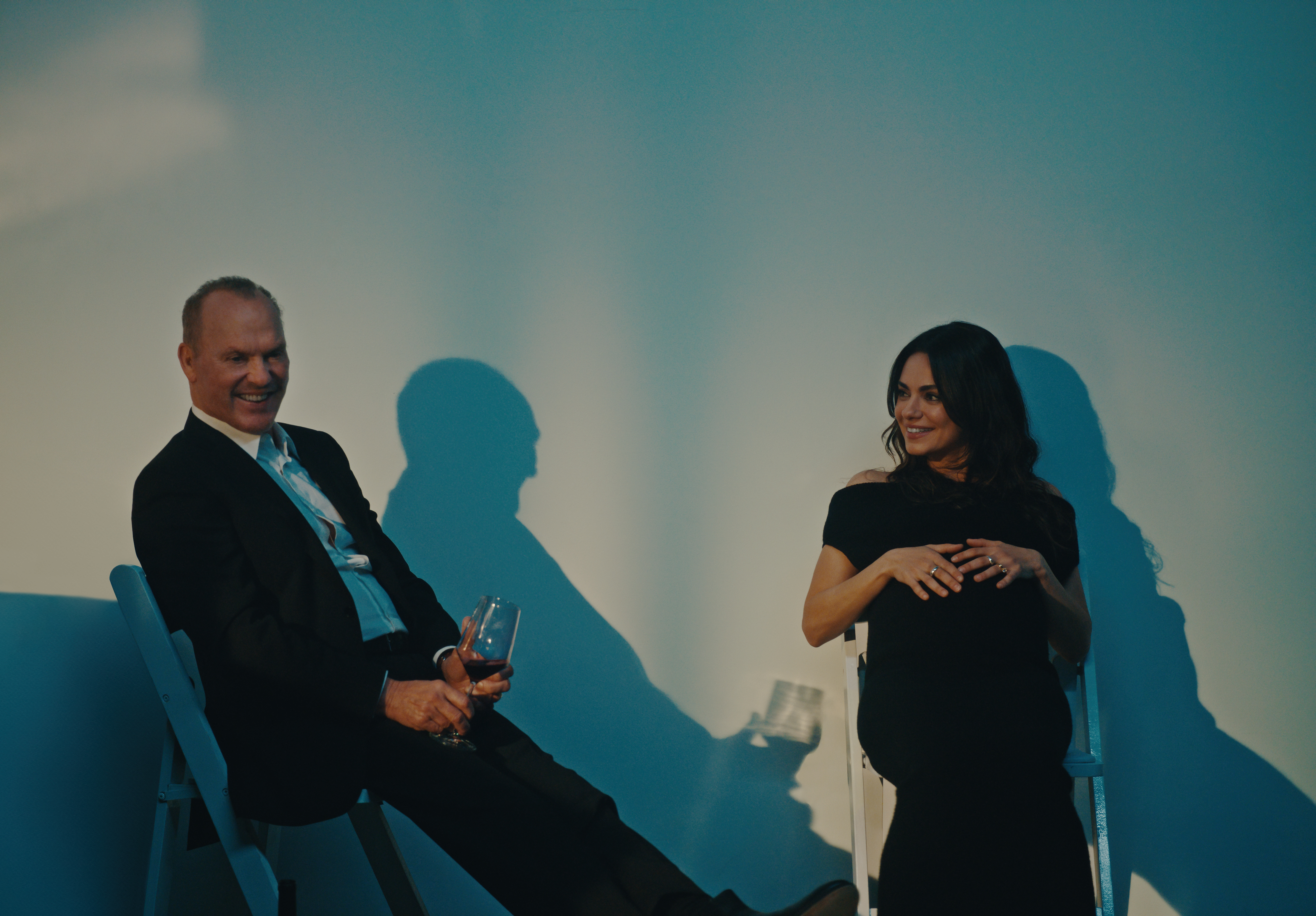
Goodrich opens exclusively in theatres on October 18th. It’s being distributed in Canada by Elevation Pictures.
 The Joy of Movies