
By John Corrado
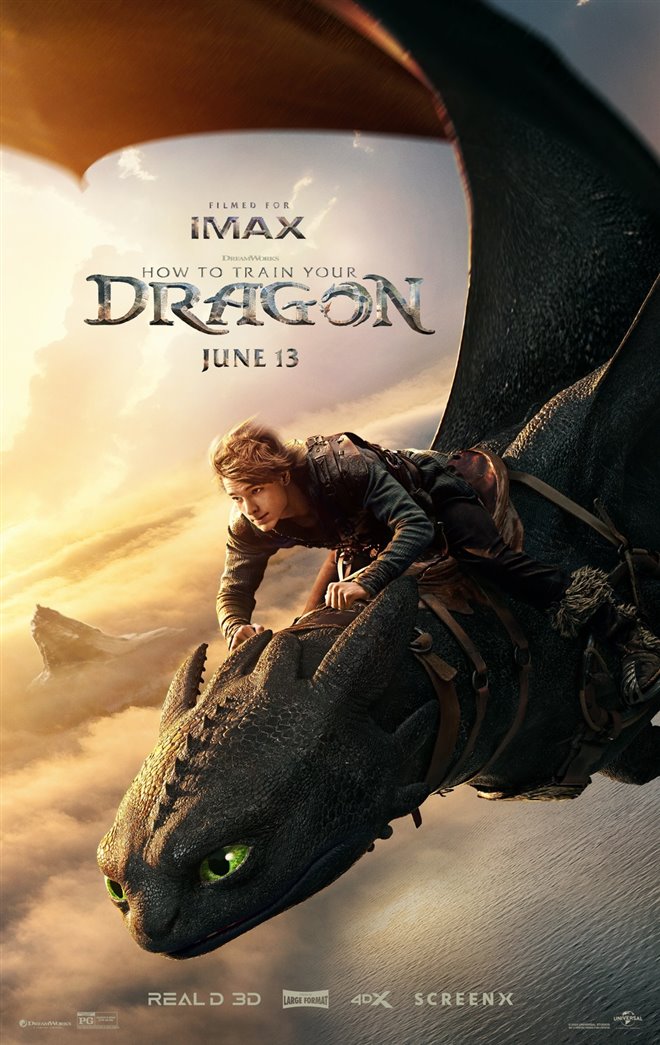 Not to be outdone by Disney, who have made a business out of releasing live-action remakes of their beloved animated films, DreamWorks and Universal now get in on the (live) action with How to Train Your Dragon.
The studio’s first live-action update of a DreamWorks Animation film, Dragon is mostly a beat-for-beat remake of the (still superior) animated version from 2010. It even comes to us from the same writer-director, Dean DeBlois, who also helmed the animated film and its two sequels.
Like with the Disney versions, the usual questions abound about the necessity of these remakes, aside from obvious box office appeal. But How to Train Your Dragon generally works, thanks to solid visual effects and a decent cast, led by young actor Mason Thames and a returning Gerard Butler. In other words, if a live action remake was an inevitability, this is the best version of one we could have hoped for.
Thames stars as Hiccup, a Viking kid on the dragon-infested island of Berk, who has disappointed his father Chief Stoick (Butler, reprising his role) due to his inability to kill a dragon. The dragons are the sworn enemies of the people of Berk, with teenagers training to be able to fight them. Hiccup is put into this dragon-fighting arena alongside a familiar cast of characters; tough love interest Astrid (Nico Parker), nerdy dragon fanatic Fishlegs (Julian Dennison), brawny Snotlout (Gabriel Howell), and dimwitted twins Ruffnut (Bronwyn James) and Tuffnut (Harry Trevaldwyn).
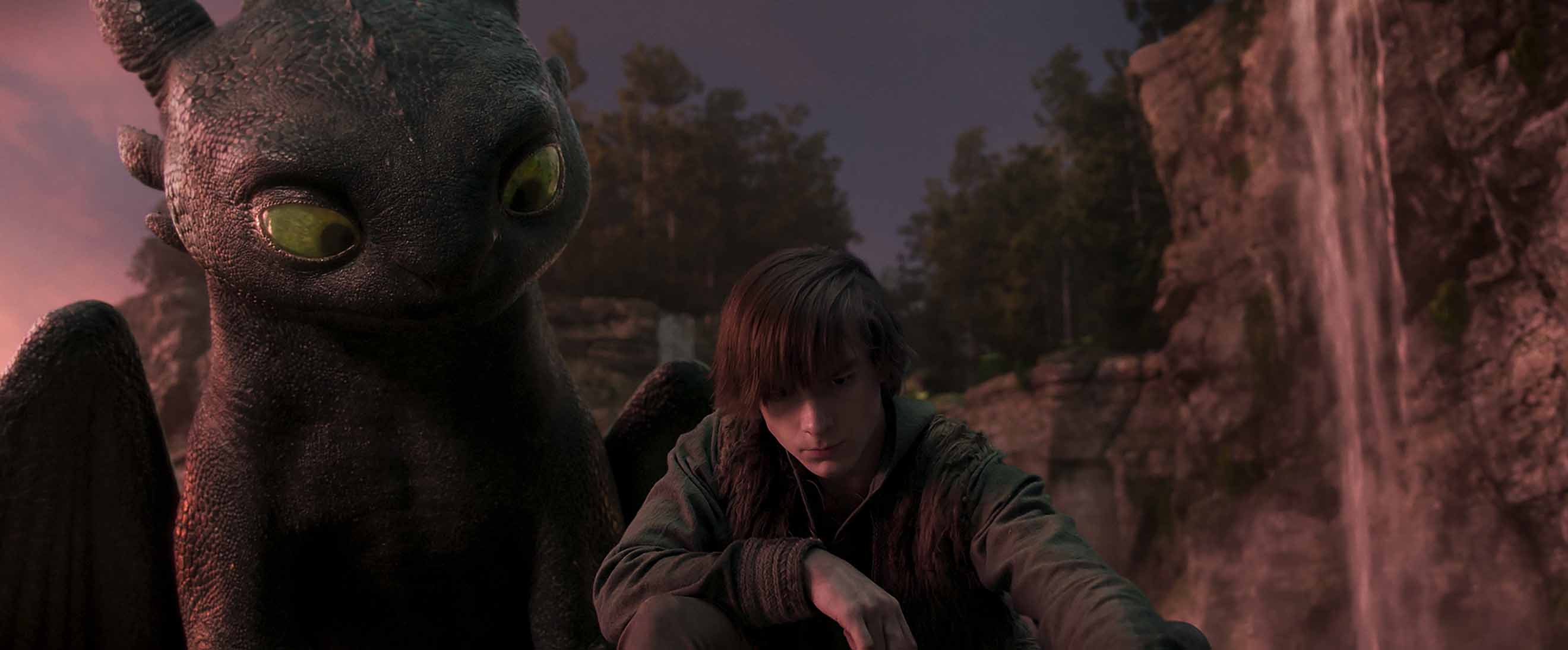
The whole island is indoctrinated into the idea that dragons need to be fought and killed, but Hiccup has his worldview challenged when he befriends Toothless, a dreaded Night Fury with an injured tail, and learns how to ride the dragon. A big part of why this remake works is because they get Toothless right; not just his updated, more realistic design to match the human actors, but also his adorable, playful antics that make him like a giant kitty cat.
DeBlois painstakingly transfers every familiar element from the 2010 film, right down to a cast of actors who visually match their animated counterparts to an almost uncanny degree (i.e., Nick Frost as Gobber). This is fan service, sure, but it’s probably better than the alternative of trying to tinker with something that already worked so well, and has this large of a fanbase. Thames hues closely to Jay Baruchel’s vocal portrayal, but has a charming movie star appeal of his own (the teenaged actor previously starred in The Black Phone).
The flying scenes were one of the most magical elements of the original film (I still remember seeing it for the first time fifteen years ago on a giant IMAX screen), and they still soar here, from the early Test Drive to a romantic flight. This is partially thanks to the cinematography by Bill Pope, who copies framing choices from the animated film. The film was also shot in Northern Ireland, which provides beautiful natural landscapes.
DeBlois – who also co-directed the original Lilo & Stitch for Disney, which has its own live-action remake currently lighting up the box office – goes for an if it ain’t broke, don’t fix it approach to the storytelling. Because the story remains virtually identical, the film does lack an element of surprise, and there can be a sense of deja vu while watching it. Despite expanding the running time to just over two hours, nothing has really changed.
Still, How to Train Your Dragon is one of the more entertaining and visually appealing of these live-action remakes, which speaks to the strength of the story and characters themselves. The magic and charm of the animated version can’t quite be replicated, but the integrity and heart of the story do remain intact. The other aspect that carries over is John Powell’s sweeping score, which has become one of the most iconic and recognizable elements of the original. Powell’s music is so good it even elevates this live-action redo.
 The Joy of Movies
Good review. Personally, I liked this movie. Despite it lacking originality and being almost a “shot-for-shot” remake, it still retains mostly everything to love about the original animated feature, but brought into a new cinematic medium. Was it necessary? No. Is it better than the 2010 version. No. But it is still a solid remake and far superior to many of Disney’s live-action remakes of late.
LikeLike