
By John Corrado
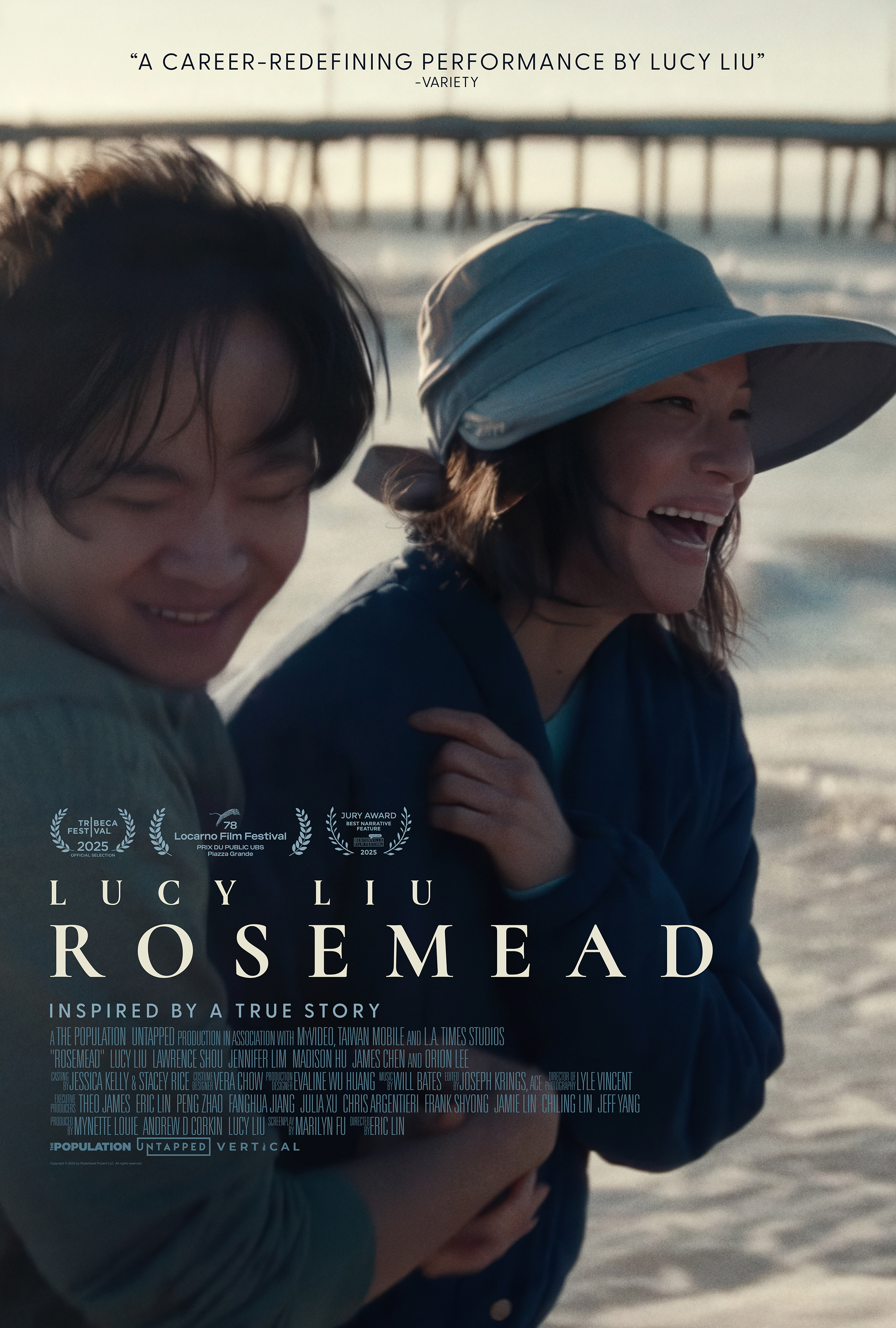 In Rosemead, the well-crafted but disturbing feature directorial debut of cinematographer Eric Lin, Lucy Liu stars as a widowed Chinese-American mother in Southern California who is struggling to support her mentally ill teenaged son.
Liu’s Irene is terminally ill from cancer, the same disease that took her husband. Meanwhile, she is struggling to solo parent her 17-year-old son Joe (Lawrence Shou), who is showing more outward signs of his early-onset schizophrenia, including behaving erratically at school.
When Irene discovers disturbing drawings and unsettling searches on her son’s computer, and he becomes obsessed with news of the latest school shooting, she is increasingly worried about his mental state and if he is a ticking time bomb. But, once Joe turns eighteen, he will age out of family treatment, and his mother will no longer be his legal caregiver. Meaning that, if he is apprehended after his 18th birthday, he will be put in an involuntary 5150 hold.
This narrative might sound melodramatic and exaggerated – a mother with terminal cancer, and a son struggling with mental illness? – until we are reminded that Rosemead is based on a true story, with screenwriter Marilyn Fu dramatizing a real Los Angeles Times article by columnist Frank Shyong. It’s tricky material to adapt, with the film telling what is, at heart, a remarkably disturbing story and one that creeps up on you. It’s a difficult film to enjoy, and maybe even recommend. But one that sparks an uncomfortable yet powerful conversation by its rattling ending.
Lin’s sensitive and mostly restrained direction allows it to unfold with a rising and unsettling sense of tension. The film is dealing with a lot of heavy thematic material, starting with how cultural shame around mental illness leads to lack of adequate treatment. The film is mainly exploring the stigmas around mental health and receiving treatment that exist in immigrant communities, forcing Joe to suffer in silence. It’s also about the difficult parental choices that Irene faces.
Liu’s performance is what holds it together, delivering the sort of raw, unglamorous dramatic work that feels like a career reinvention. She powerfully portrays Irene’s struggles with a language barrier and her own failing health, not to mention the cultural shame of hearing others in the community increasingly talk about her son behind their backs. As Joe, Shou rises to the difficult task of believably portraying his increasingly extreme mental health episodes, without his portrayal feeling exaggerated or exploitative. It’s a challenging and deeply unsettling but worthwhile character drama.
 The Joy of Movies