By John Corrado
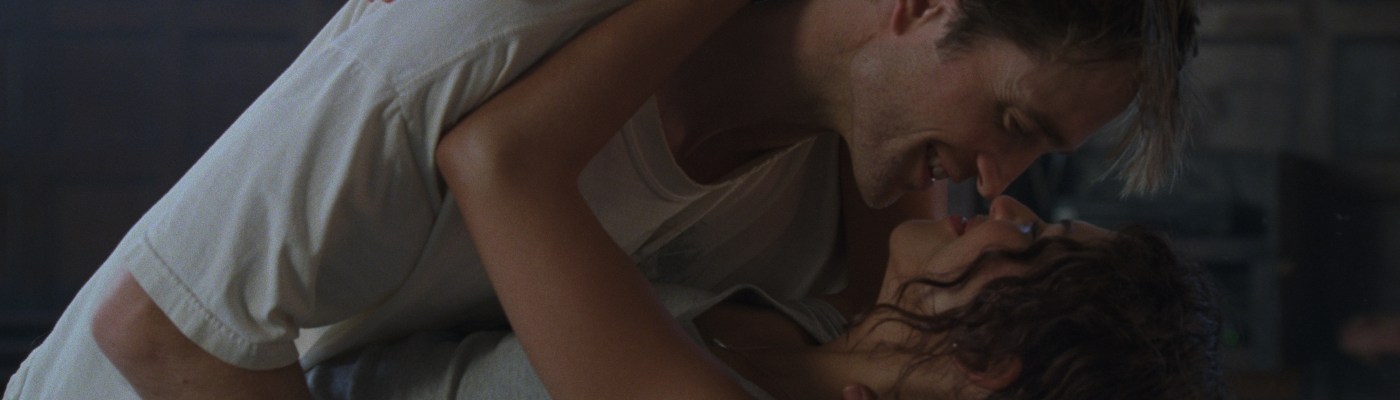
T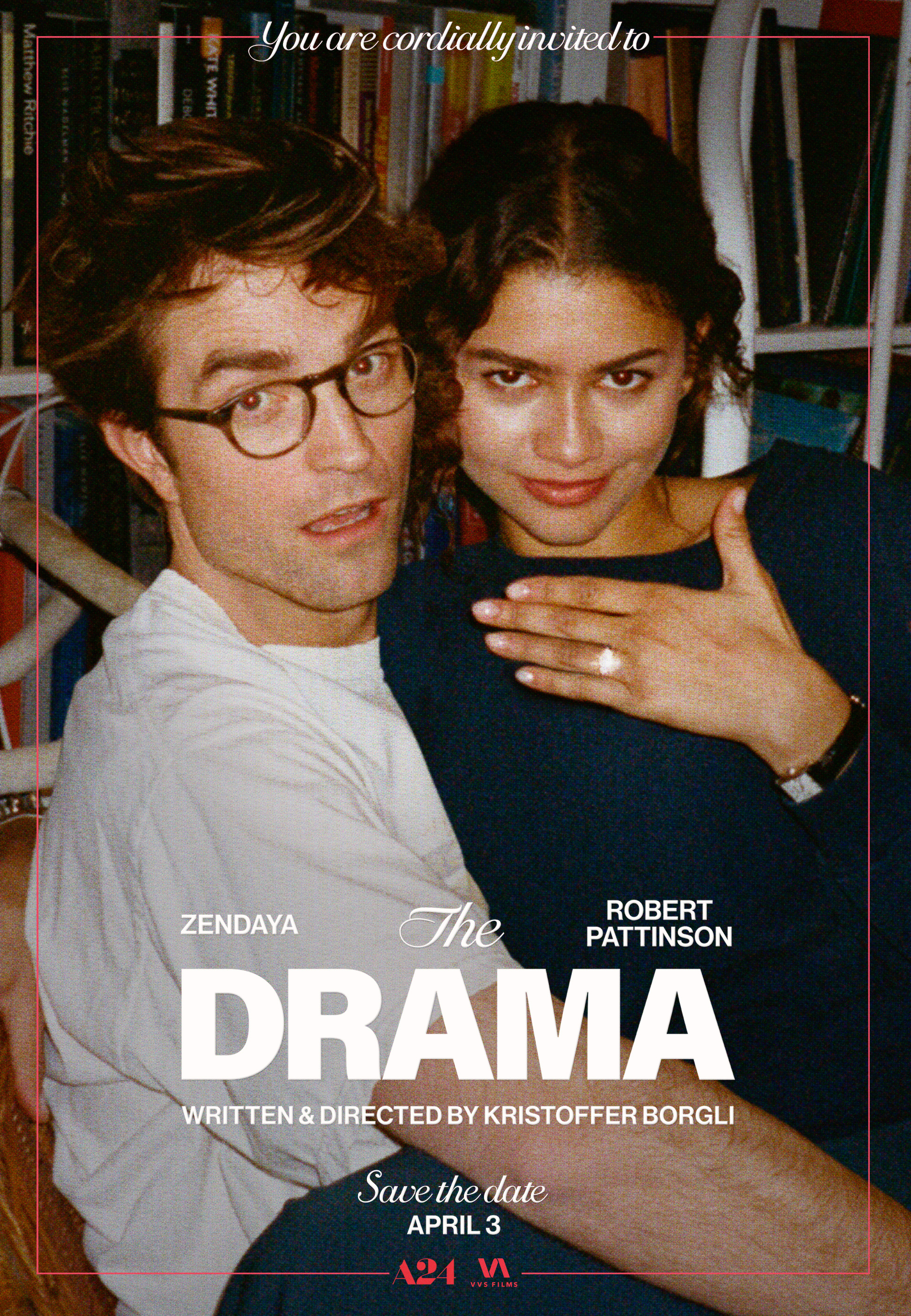 he Drama, the latest film from Norwegian writer-director Kristoffer Borgli, starts off feeling like a typical indie rom-com, complete with a coffee shop “meet-cute” between our protagonists Charlie Thompson (Robert Pattinson) and Emma Harwood (Zendaya).
But there’s something off about it. And if you’ve seen Borgli’s previous films Dream Scenario and Sick of Myself, it won’t be a shock when the film becomes a dark – read, very dark – comedy, one that scratches at the psychology of its characters but also often plays in questionable taste. It’s honestly a lot to process.
The film opens with Pattinson’s Charlie and Zendaya’s Emma having their first encounter. We then flash forward two years to the two of them engaged and about to be married. Borgli cleverly fleshes out their relationship by having the early scenes centre around Charlie working on his wedding speech with best friend Nick (Mamoudou Athie), allowing their backstory to be shown in flashbacks. The editing feels fluid and seamless.
Much of the film takes place in the week leading up to their wedding. But things fall into disarray at the menu tasting when Nick and his wife Rachel (Alana Haim), who is Emma’s maid of honour, convince the couple to play a drunken game where they each reveal the worst thing they ever did. This leads to new information coming to light about something from Emma’s past. There is a “twist” that I won’t reveal here (the studio has been strict about not revealing any spoilers), but let’s just say that the discourse around this one will be a lot.
In Dream Scenario, Borgli was doing a high-concept “cancel culture” metaphor that explored how the mob can come for someone even if their only sins are imagined and they never actually did anything. Borgli tries to do something similar here, but The Drama is also working around much more sensitive material that makes it harder to sympathize with one of the characters.
Borgli is a provocateur, operating in a space of pushing buttons and breaking social taboos. He’s hiding behind an air of post-modern intellectualism, and the backing of cool kids club studio A24, to craft something that could be expanded from a Reddit thread. As such, The Drama oscillates between being genuinely disturbing and having an air of faux-edginess to it, with online “edgelord” humour that can veer closer to a 4Chan user trying desperately to be transgressive.
Borgli’s screenplay is grappling with deeper questions about the limits to the love and acceptance you can have for someone in a relationship. The core of the movie centres around if we can still be with someone after discovering something very dark and disturbing about them, even if that thing no longer seems like a part of who they are. But it’s also a cringe comedy that makes us want to hide behind our hands in embarrassment for the characters.
And herein lies the reason why the film’s handling of its subject matter will prove so divisive. There is a psychological thriller aspect to The Drama, as Charlie grapples with whether or not he can still trust Emma enough to go through with the wedding. But the film must also work as quirky rom-com, or at least one that can be marketed to unsuspecting audiences as such. Borgli is playing around with the shock value of the twist, juxtaposed with the blackly comic tone and expectations of the romantic comedy genre. But does one undercut the other?
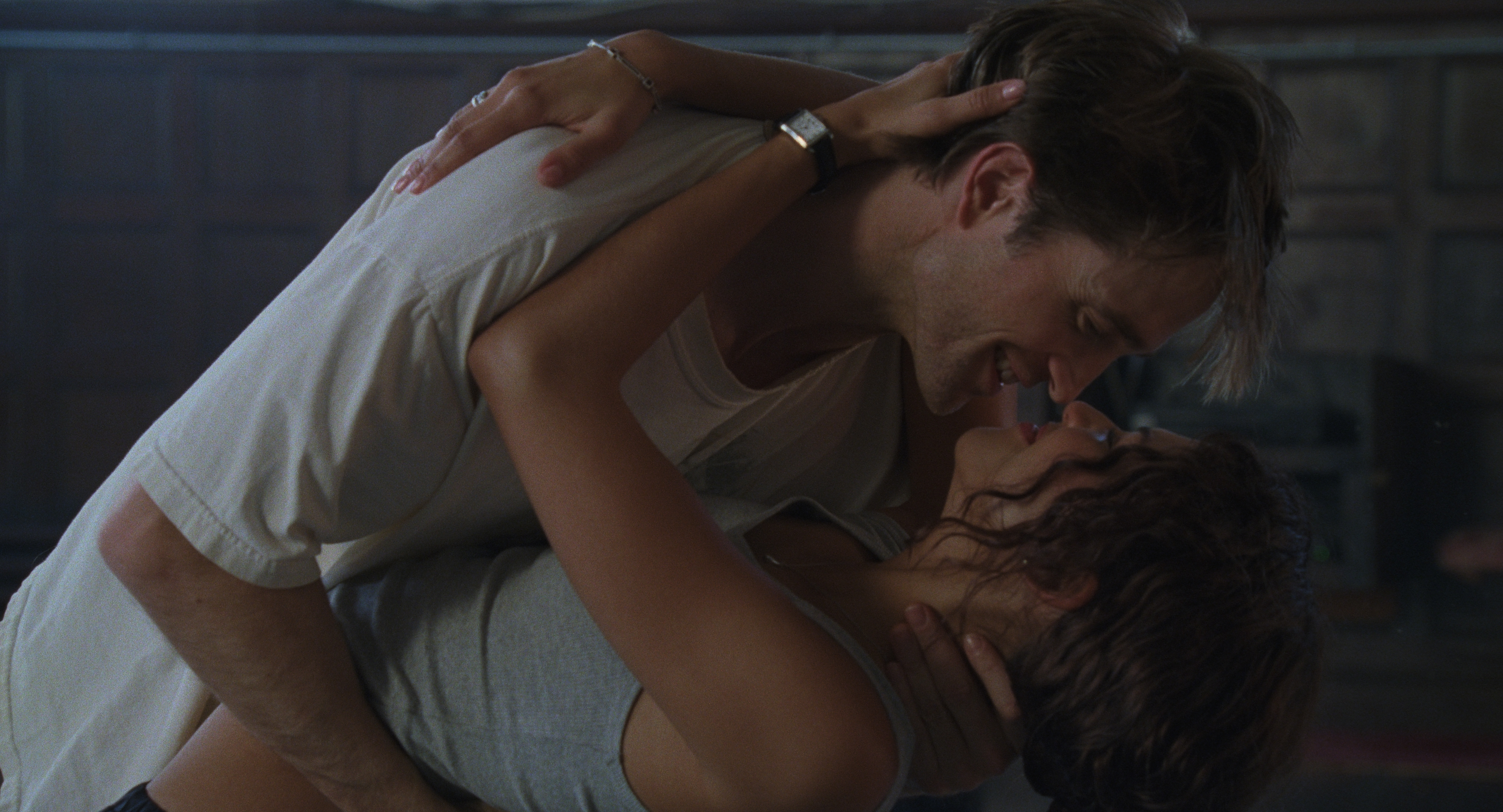
There are certainly entertaining aspects to it. Pattinson is very good in the role of a groom becoming increasingly unhinged in light of this new information coming to the surface the week of his wedding. It’s debatable whether or not Zendaya is entirely believable as someone with this past, but perhaps this is the point of her casting; her cool, disaffected persona keeps us guessing how much she has possibly changed. The two actors share solid chemistry together. Daniel Pemberton’s score adds a nice flow to it, while also keeping things feeling unsettling.
Does it entirely work? I’m not sure. The premise is intriguing and it’s engaging enough to keep us watching for 105 minutes. But there are also conflicting feelings around what exactly Borgli is trying to say, as well as his questionable handling of some of the highly sensitive material. Does it seek to humanize a type of figure in a way that borders on irresponsible? Or attempt to turn something horrible into a mere one-joke setup for a comedy of errors? We are left asking an age old question about art; does the fact that it even evokes such a conversation make it automatically have value? Prepare to hotly debate and argue about this one after watching it.
 The Joy of Movies