By John Corrado
★★★ (out of 4)
The 2023 Inside Out 2SLGBTQ+ Film Festival runs from May 25th to June 4th in Toronto, more information on tickets and showtimes can be found right here.
The Spanish coming of age drama 20,000 Species of Bees, which won the Silver Bear at the Berlin International Film Festival, is a portrait of a young transgender girl growing up in a world that doesn’t always see her as she sees herself.
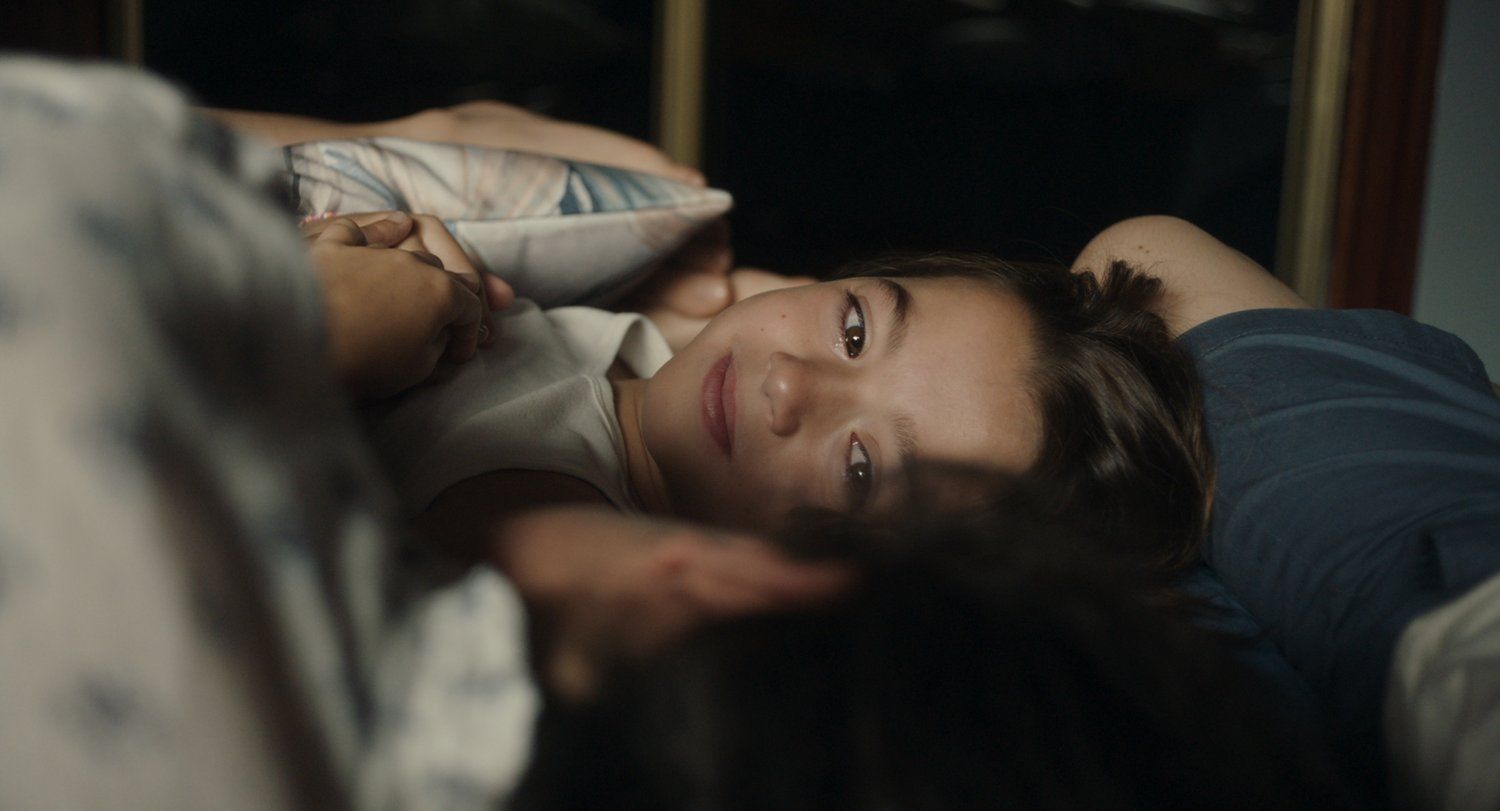
Directed by Estibaliz Urresola Solaguren, the film introduces us to Coco (Sofía Otero), an eight-year-old who for the first few scenes is pretty indistinguishable from any other girl. She has long hair and paints her nails, but other family members still refer to her as a boy, despite how she presents herself. At home, they have taken to referring to her by the nickname Coco, but other family members still use her birth name Aitor, and ask why her hair is so long.
The film is mainly set in the countryside of Basque County, where she goes to stay with her sculptor mother Ane (Patricia López Arnaiz) and two siblings over the summer, to visit her grandma Lita (Itziar Lazkano) and their mostly female extended family. Through this, Solaguren’s tender drama is able to explore gender dysphoria from the perspective of a character who doesn’t really know the words yet, but innately knows this feeling of being seen differently from how you feel inside.
This theme of identity and wanting your body to match how you feel inside, mainly so that others will see you in this way, is fascinatingly explored through a child’s eye view in the film. The biggest confusion that Coco is feeling comes from not having others simply address her as a girl. Ane tries to be supportive, reminding Coco at one point that there are no boy’s or girl’s toys and she can like whatever she wants, but is also facing pressure from other family members to force her child back into being Aitor, and being made to feel like it is somehow her fault.
Coco is still searching for a name that fits her (at one point she stops identifying with either name, and starts insisting that she doesn’t have one instead), and expresses discomfort with situations where she will have to wear boy’s clothes or might have to reveal herself, such as swimming and having to use the change room. She is at her freest when exploring the beehives with her aunt Lourdes (Ane Gabarain, in a wonderful supporting role), a beekeeper who starts bringing her out into the fields.
Lourdes very much follows this young girl’s lead in how she identifies herself, and these sequences, which lend the film its name, are some of the best. This is a slow-burn film (especially at a sometimes meandering 127 minutes), but it’s one that takes its time to sensitively explore a child’s gender identity journey. There is also some deeper family drama involving tensions between Coco’s parents, and the legacy of her late grandfather who was a prolific sculptor, which again is often shown from the perspective of a child.
Playing in a similar key as Celine Sciamma’s remarkable early film Tomboy, 20,000 Species of Bees is a naturalistic film that is guided by a wonderfully nuanced performance from Otero, who subtly portrays her character’s changes in mood around how she is being identified. The film is very patient in how it unfolds, but also quite rewarding, and at its best when simply capturing moments that allows us to this young protagonist’s deepening sense of self-awareness.
Screenings: Tuesday, May 30th, 9:15 PM at TIFF Bell Lightbox 1; May 31st to June 4th at 11:59 PM – Virtual (across Ontario). Tickets can be purchased here.
 The Joy of Movies