By John Corrado
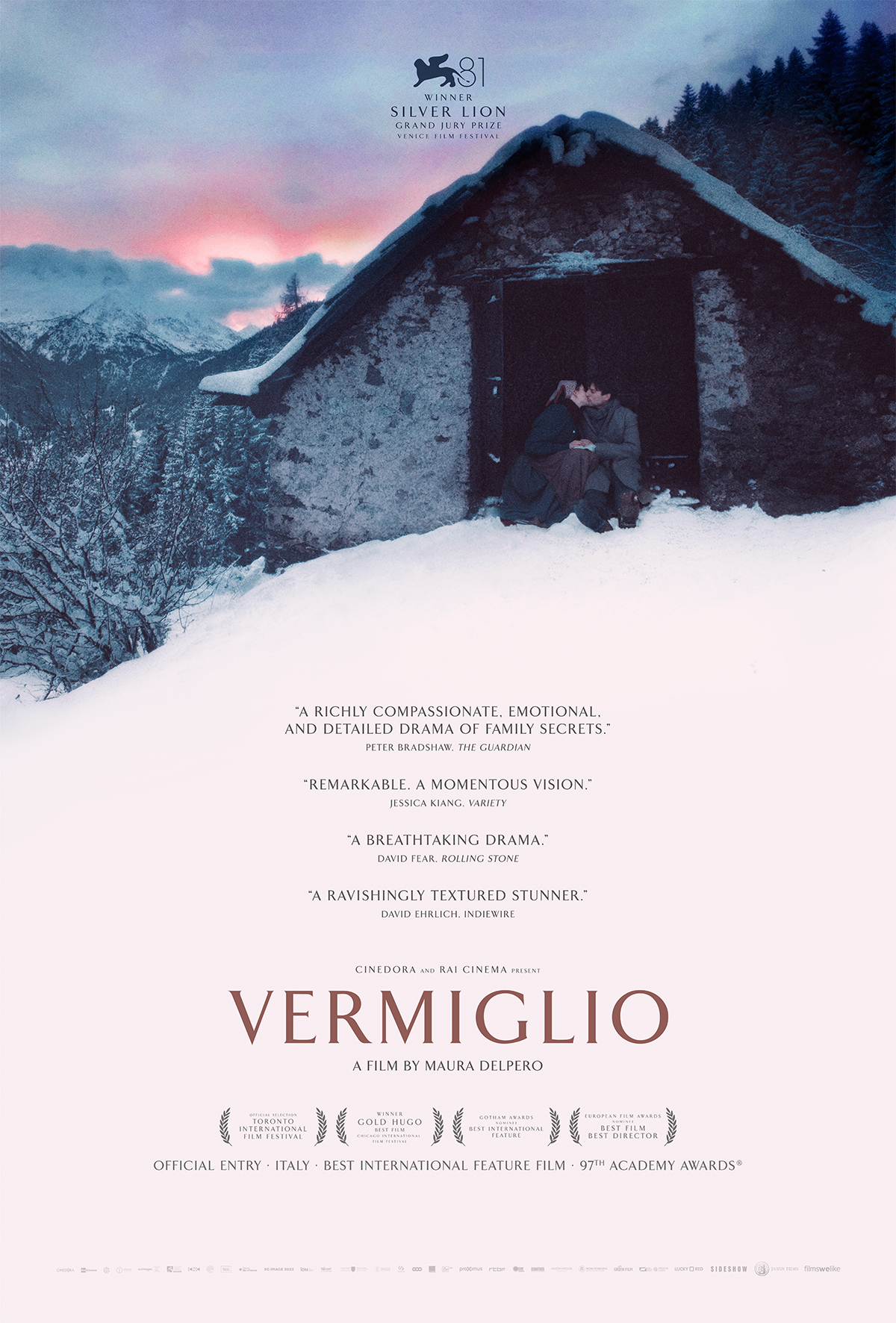
Director Maura Delpero’s Vermgilio, Italy’s International Feature submission for the Oscars, is set at the end of World War II in 1944, but the war is happening entirely offscreen. Instead, this is a slow-burn slice-of-life portrait of a large family in the mountain village of Vermiglio.
The patriarch of the family is Cesare Graziadei (Tommaso Ragno), the stern local schoolteacher who has a pack of kids with his wife Adele (Roberta Rovelli). The family lives high in the mountains, where they are sheltering Pietro (Giuseppe De Domenico), an Italian Army deserter from Sicily, in their barn.
Pietro is hiding from the Germans, but has gained respect from the family for helping bring back their injured cousin Attilio (Santiago Fondevila), a fellow soldier in the Italian Army. Like many of the more dramatic beats in Delpero’s film, their return happens offscreen, and is spoken about by the family in hushed tones.
Many of the bigger moments aren’t shown onscreen, and are instead revealed through characters talking about them afterwards. It’s an almost stage-like approach, but this is also what keeps us at somewhat of an emotional distance. The direct involvement isn’t always there. The film introduces several different characters and subplots, but several of them end up feeling underdeveloped or explored, namely the family’s rebellious son Dino (Patrick Gardner).
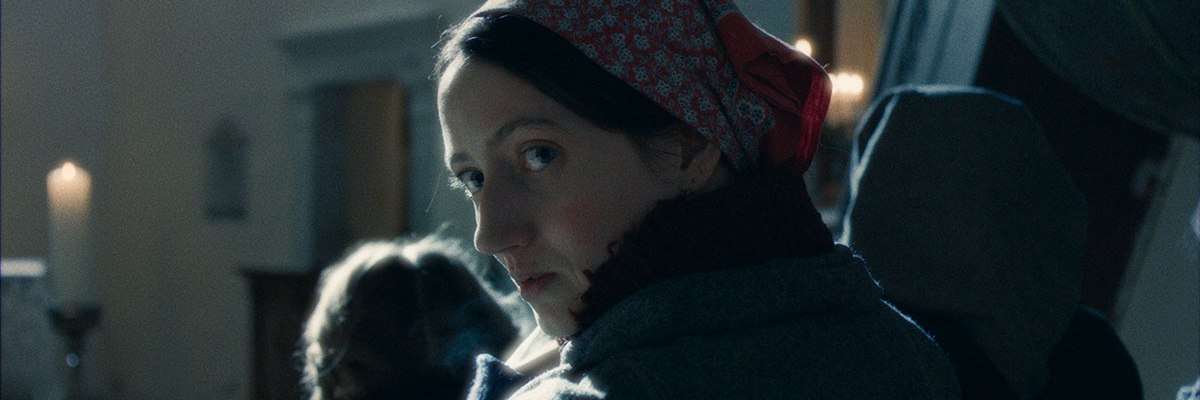
Delpero’s film is focused mainly on the daughters of the Graziadei family. Lucia (Martina Scrinzi) is the eldest daughter, and her feelings for Pietro come as close as any of the various story threads to defining the film’s narrative. Middle daughter Ada (Rachele Potrich) is experiencing scrupulosity brought on by shame around her own emergent feelings and desires, while little sister Flavia (Anna Thaler) snoops around the house. The three sisters share a bed, and whisper to each other at night.
This is a slow-moving film, that Delpero lets unfold with a pensive tone; we get long takes, and beautiful wide shots of the mountainous backdrops courtesy of cinematographer Mikhail Krichman. If there can be a distancing quality to some of it, Delpero does capture the daily rhythms of the family’s life through her deliberate pacing. Because of its unique approach, the film also relies heavily on reaction shots, and does showcase some fine performances. Namely of Ragno as Casare, whose scenes in the classroom as the prickly teacher are some of the best in the film.
Film Rating: ★★½ (out of 4)

Vermiglio opens exclusively in theatres in limited release on January 3rd, including at TIFF Lightbox in Toronto. It’s being distributed in Canada by Films We Like.
 The Joy of Movies