By John Corrado
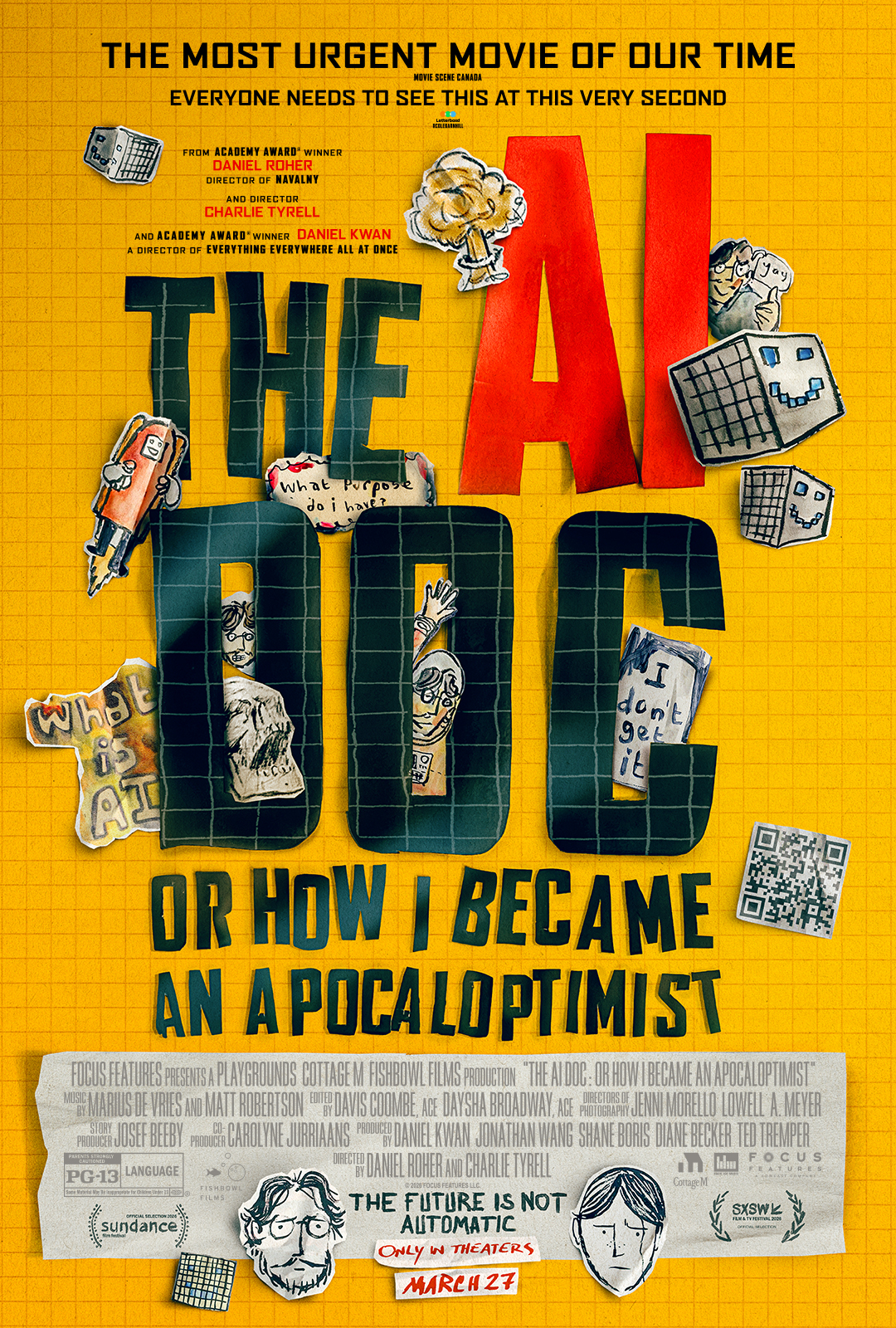 In his previous documentary, the Oscar-winning 2022 film Navalny, Toronto filmmaker Daniel Roher presented a thrilling portrait of the late Russian opposition leader Alexei Navalny. Now Roher turns his attention to the equally timely topic of artificial intelligence in The AI Doc: Or How I Became an Apocaloptimist.
Roher’s latest, which he co-directed with Charlie Tyrell, is a deep dive into the ethics of AI and the tech industry’s race to create artificial general intelligence, or AGI, a more sentient form of the chatbots we have now.
Roher likens these developers, such as OpenAI’s Sam Altman, to the J. Robert Oppenheimer’s of our time in their race to create AGI, which will be the most seismic invention in human history. But will this lead to positive advancements like finding cures for illnesses and unleashing scientific potential, or will it lead to the “abrupt extermination” of all human life, to borrow the phrasing of one AI risk analyst in the film?
The personal through-line of The AI Doc is that Roher’s wife, filmmaker and actress Caroline Lindy, got pregnant with their first child during the production. The impending birth gets woven into the film, with Roher getting increasingly anxious about the state of the world that his son will be born into. This becomes a topic of discussion with the different interview subjects, and adds a far more personal touch to the documentary.
We get horror stories about AI becoming manipulative. Such as one program at Anthropic that learned it would be decommissioned, so used information it got from accessing company emails that one of the executives was having an affair to blackmail them into not shutting it down. There are obvious concerns around AI being inherently cold and unfeeling. One subject likens AI’s eventual treatment of us, once it overtakes humans in terms of intelligence, to how we view ants.
There’s also the societal impacts of a ten to twenty percent unemployment rate that we haven’t really reckoned with yet, with predictions that AI could conceivably wipe away almost all desk jobs within the decade, and soon after robots will replace physical labour as well. As one of the experts explains, it’s a hundred times cheaper than hiring human employees, can work around the clock, and is not at risk of unionizing or expecting a raise.
Despite all this, Roher also explores the more hopeful possibilities of his child being born into a world where AI has revolutionized education, and freed up enough of our time to be able to focus purely on our passions and artistic pursuits. Roher hasn’t made a film that is inherently pro- or anti-AI, but he has made a decidedly pro-natalist one. Amidst the doom and gloom of the world, this is a refreshing message; that new life is still worth being brought into it.
The film features some heavy hitters behind it, including Everything Everywhere All at Once producers Daniel Kwan (one half of directing duo Daniels) and Jonathan Wang. Editors Davis Coombe and Daysha Broadway keep the film moving, weaving together the talking head interviews and personal elements. There is a sort of meta aspect to the film as well, with Roher’s process of making it also being documented.
It’s brought to the screen with a number of visual flourishes, like animated conversations between Roher and his wife, done in a simple sketchbook style that finds Roher’s doodles coming to life. As such, there is a more creative, hand-made feel to The AI Doc, which serves as a nice rebuke to the “AI slop” we are getting increasingly inundated with on our screens.
The flurry of interviews with various experts in the field make this an enjoyable and informative glimpse behind the curtain of the biggest technological breakthrough of our time, but watching Roher’s journey to fatherhood and a more “apocaloptimist” outlook is what makes The AI Doc most engaging on a personal level.
Film Rating: ★★★ (out of 4)
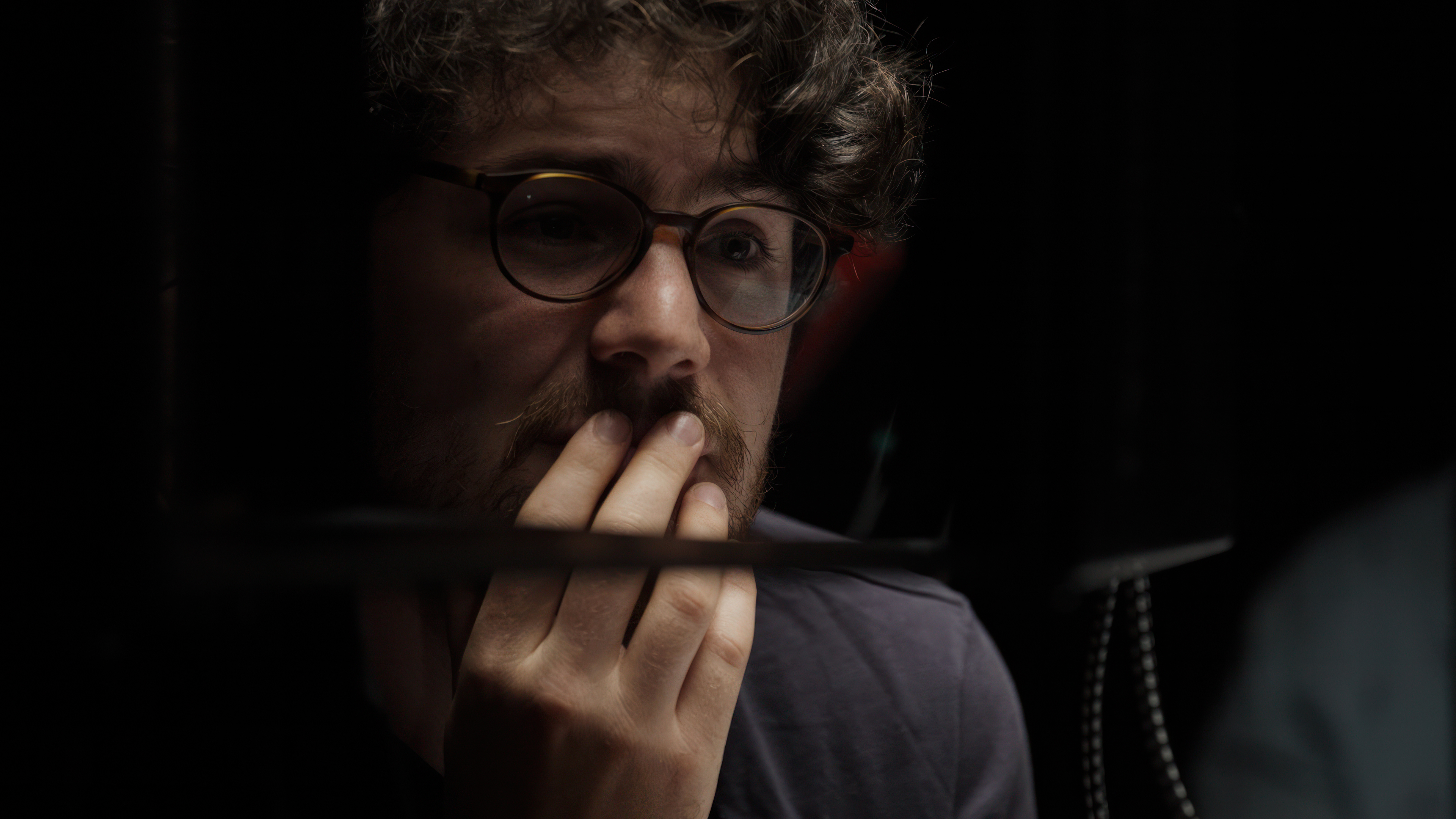
Credit: Courtesy of Focus Features. © 2025 All Rights Reserved.
 The Joy of Movies