By John Corrado
Director Simon Stone’s Elsinore, a moving drama about literally giving your life to art, is ostensibly a biopic of Scottish actor Ian Charleson. But it emotionally focuses on one key aspect of the actor’s legacy, who found success with Oscar-winner Chariots of Fire in 1981, and had opportunities mostly dry up afterwards.
Stone’s film is set in 1989, when Ian (played in the film by Irish actor Andrew Scott) gets the dream opportunity to perform the lead role in Hamlet at the National Theatre in London. The role auspiciously opens up when a young Daniel Day-Lewis walks off stage in the middle of a performance. Scrambling to find a replacement, theatre director Richard Eyre (Johnny Flynn) offers Charleson the role.
The challenge is that Charleson is also battling AIDS. Eyre is aware of his diagnosis, but Ian assures him that he will be able to perform. It’s a role and production that is taxing on any actor, especially one in his condition. Dr. Margaret Johnson (Olivia Colman) warns him that doing the role is risking his life. But Ian is determined to push through, wanting to squeeze as much out of his time left as possible.
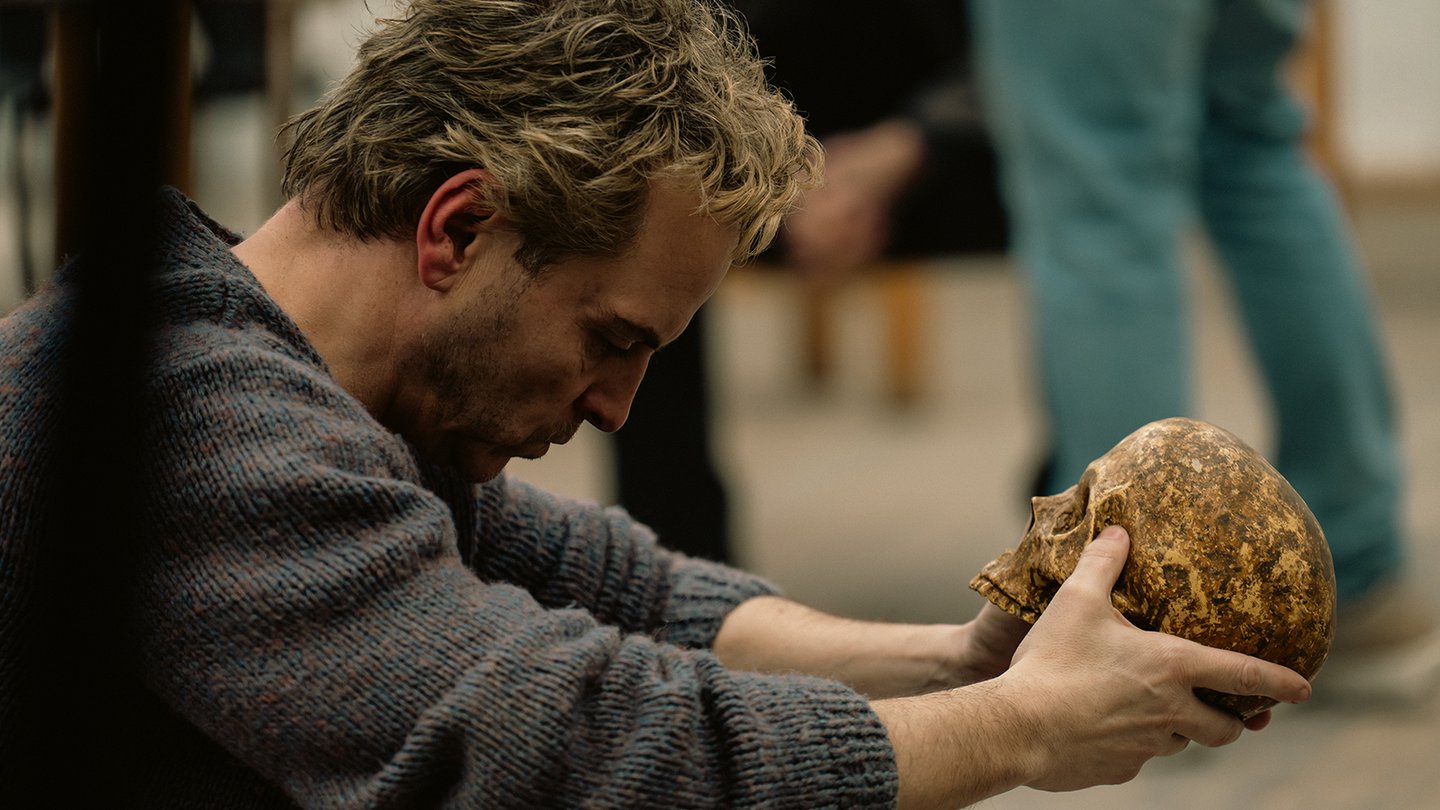
This is obviously emotional material, with Elsinore dramatizing Charleson’s decision to give his remaining time to the theatre. Scott is excellent playing Charleson, but he also has to take on the responsibility of playing Charleson playing Hamlet, as he succumbs to the final stages of AIDS. It’s a challenging role on all fronts, but Scott rises to it.
Scott shines in the big moments when Charleson rehearses and performs as the Prince of Denmark, with Shakespeare’s material taking on new meaning as he delivers the lines. But Scott is equally powerful in the more intimate emotional moments when Charleson grapples with his mortality. Billie Piper also brings warmth to the film as his best friend Patsy, who takes on the role of caregiver. Joe Locke also gets a few nice moments as well, playing a young patient at the hospital.
The screenplay by Stephen Beresford (who also wrote 2014’s Pride, which featured Scott in a supporting role), doesn’t shy away from Charleson’s sexuality as a key part of the film. There are deeper themes about whether or not he chose to hide his sexuality to have a career, and how he was being pushed to publicly disclose his AIDS diagnosis at the end. Having Scott, an openly gay actor, in the leading role, adds another layer of meaning to Elsinore.
The film does hit some of the expected beats for this sort of drama, and Stone should have let certain scenes breathe a little more, instead of playing out through montages. But the raw emotion and power of Scott’s performance is what carries it through. It’s a good movie, but Scott is great, continuing his trend of being one of our most tremendous actors. The standing ovation that he received at the TIFF premiere felt earned.