By John Corrado
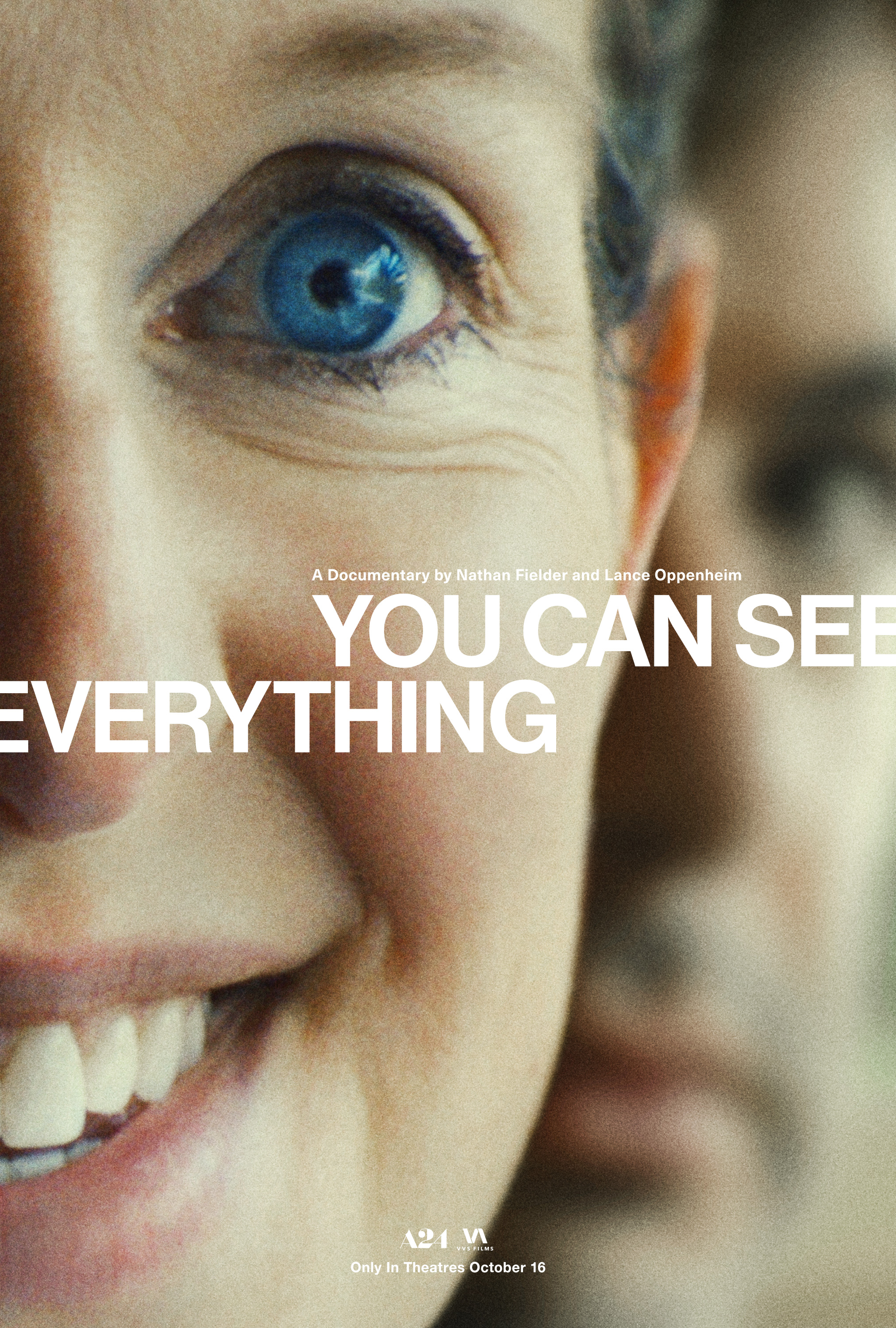 In the hands of Nathan Fielder and co-director Lance Oppenheim, a nearly three-hour documentary about Theranos founder and convicted fraudster Elizabeth Holmes becomes one of the most compelling films of the year.
This is You Can See Everything, a highly adventurous gambit from A24 that finds Fielder embedding himself in the home of Elisabeth Holmes and her husband Billy Evans, in the 34 days before she goes to prison for fraud.
That itself is an insane pitch, but what Fielder and Oppenheim do within the confines of the documentary format itself is where You Can See Everything becomes so thrilling as a cinematic experience. This is fascinating stuff that leaves us with tons to think about, not just in regards to Elizabeth Holmes, but also the nature of truth and documentary filmmaking itself.
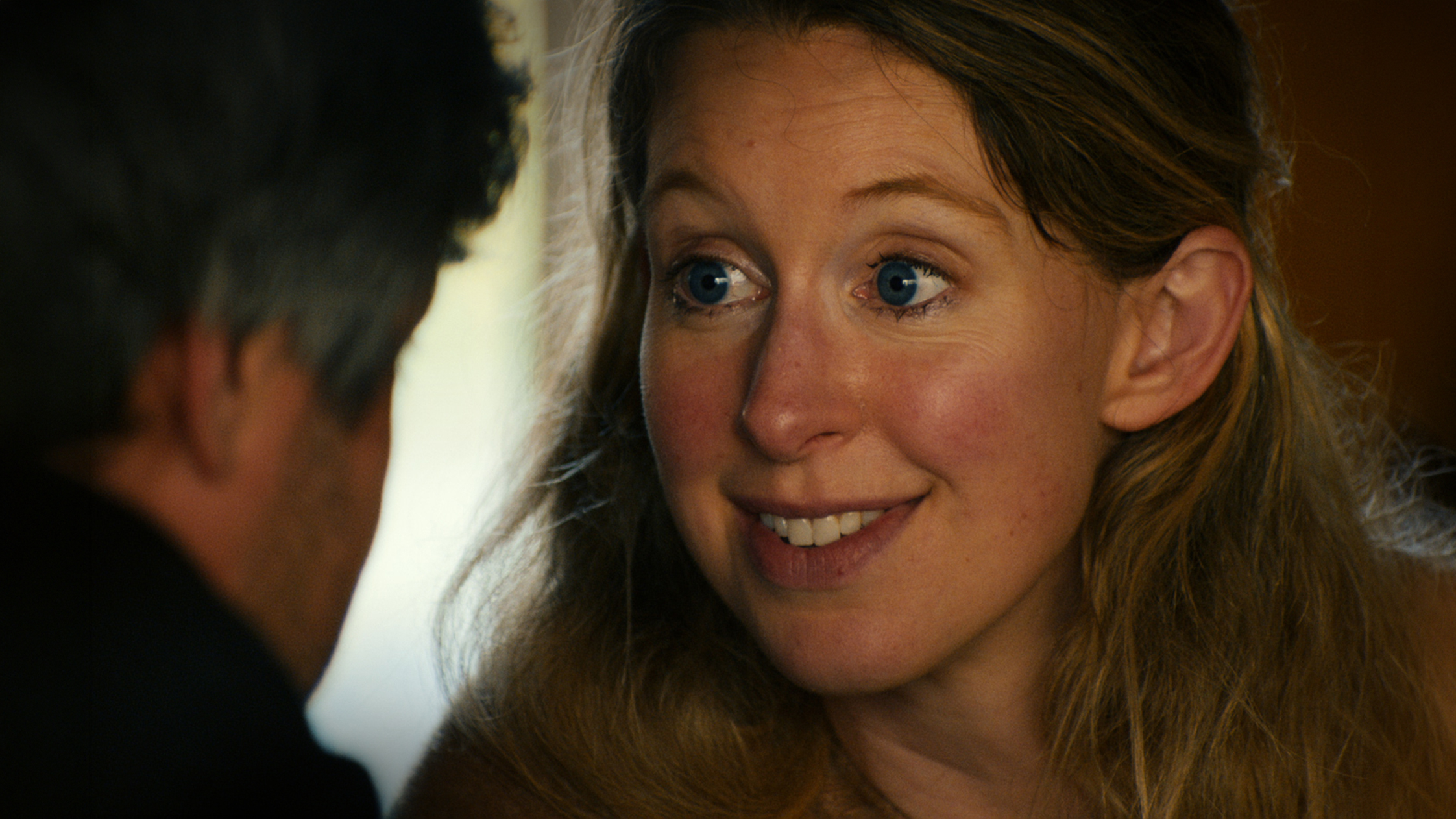
As Fielder interviews Holmes, and captures intimate moments from every aspect of her life, we hang on her every word and gesture, examining her mannerisms to try and get an instinctual read on if she is telling the truth. Holmes is a subject that we can’t stop watching, mainly because it is impossible to make heads or tails of her. The camera is so close at times that we can see every pore on her face, as if Fielder wants us to detect any pupil dilation. Fielder is clearly fascinated by her, and, in turn, so are we.
This is far removed from the time when Holmes was being touted as the next Steve Jobs, the media eating up the image she presented of a girl boss CEO. The company she created, Theranos, claimed to have developed a machine that was set to revolutionize and upend the blood test industry by allowing a whole battery of tests to be done with a small vile of blood. But her machines didn’t work, leading to charges that the business was a scam to defraud investors out of millions.
At the crux of the film is the deeper question about whether the Elizabeth Holmes that has been portrayed in the media, including in the Hulu miniseries The Dropout, was based off a character that she created. Holmes is a subject who wants us to take her at her word, and is certainly giving the perception of being completely open by virtue of letting the cameras into her life at such a sensitive time. But Fielder also reminds her that she is known to the public as a liar – it’s why she is going to jail, after all – so why should people trust that what she says is true?
Who is telling the truth? If someone is being manipulated, who is doing the manipulating? Fielder himself very much becomes his own subject, and the camera is a part of the film. He is an active participant in his portrait of Holmes, which adds to another layer of ethical questioning; does his presence inherently change or bias how she is interacting? And why does she want cameras and microphones in her home, in the final weeks she has with her family before going to prison? Holmes doesn’t seem overly familiar with his work, but Fielder points out to her that he would be a prime person to expose her for not telling the truth.
Fielder’s interest in Holmes is not so much stemming from exploring the legitimacy of the science behind Theranos, which he admits he doesn’t fully understand, but in observing human behaviour. This allows You Can See Everything to work startlingly well as a human interest film, allowing us to observe a woman about to go to jail for lying, who confidently claims on camera that she has never told a lie.
Fielder observes every human moment and social interaction with the eye of a sociologist trying to understand, well, people. A revealing moment that Fielder picks up on happens early in the film when Elizabeth is mixing eggs, and Billy takes the bowl out of her hand to do it himself. Fielder, never one to shy away from socially stepping on toes or making an awkward moment even more so, asks Billy why he took the eggs. Elizabeth laughs it off, before playfully admitting that he doesn’t think she mixes them properly.
It’s in these moments of tension and unease, making us question the truth of these relationships, that make You Can See Everything so mesmerizing to watch. As it builds, we are watching Fielder getting into a near-literal staring contest with subjects that many normal people would’ve cowered away from. The film also leans in to the comic absurdity throughout, including completely deadpan reaction shots from Fielder that let us laugh through the tension.
The creative partnership between Fielder and Oppenheim is itself interesting. Fielder, of course, is a comedian primarily known for his highly metatextual TV work and elaborate pranks on shows like The Rehearsal and Nathan for You. Oppenheim is a documentarian primarily known for his observational portrait of Florida’s The Villages in Some Kind of Heaven, who also just made his narrative debut with Primetime, another A24 movie currently in theatres that asks similarly slippery questions about truth and performance. The timing between the two feels serendipitous.
The cinematography by Oppenheim’s frequent collaborator David Bolen offers a great blend of styles between the usual aesthetic of Fielder’s work and something that feels more cinematic. Editor Adam Locke-Norton not only impressively combines all of this footage into a cohesive narrative, but also paces the film in a way that allows the lengthy running time to often fly by.
It’s not that there haven’t been other documentaries that have employed (or tried) similar techniques to some of what Fielder is doing here as the film unfolds, but to see it all come together in one movie is a staggering achievement. The result is an incredible piece of filmmaking, that finds Fielder and Oppenheim unravelling and deconstructing the documentary format in exciting ways.
This is a documentary that often feels and plays like a narrative film, which isn’t a slight against documentary filmmaking, but adds to the much deeper and often uncomfortable questions that You Can See Everything is asking about truth versus performance. It’s gripping, entertaining, and surprising throughout every moment of the nearly three hour running time. And designed to leave you stunned by the end of it.