By John Corrado
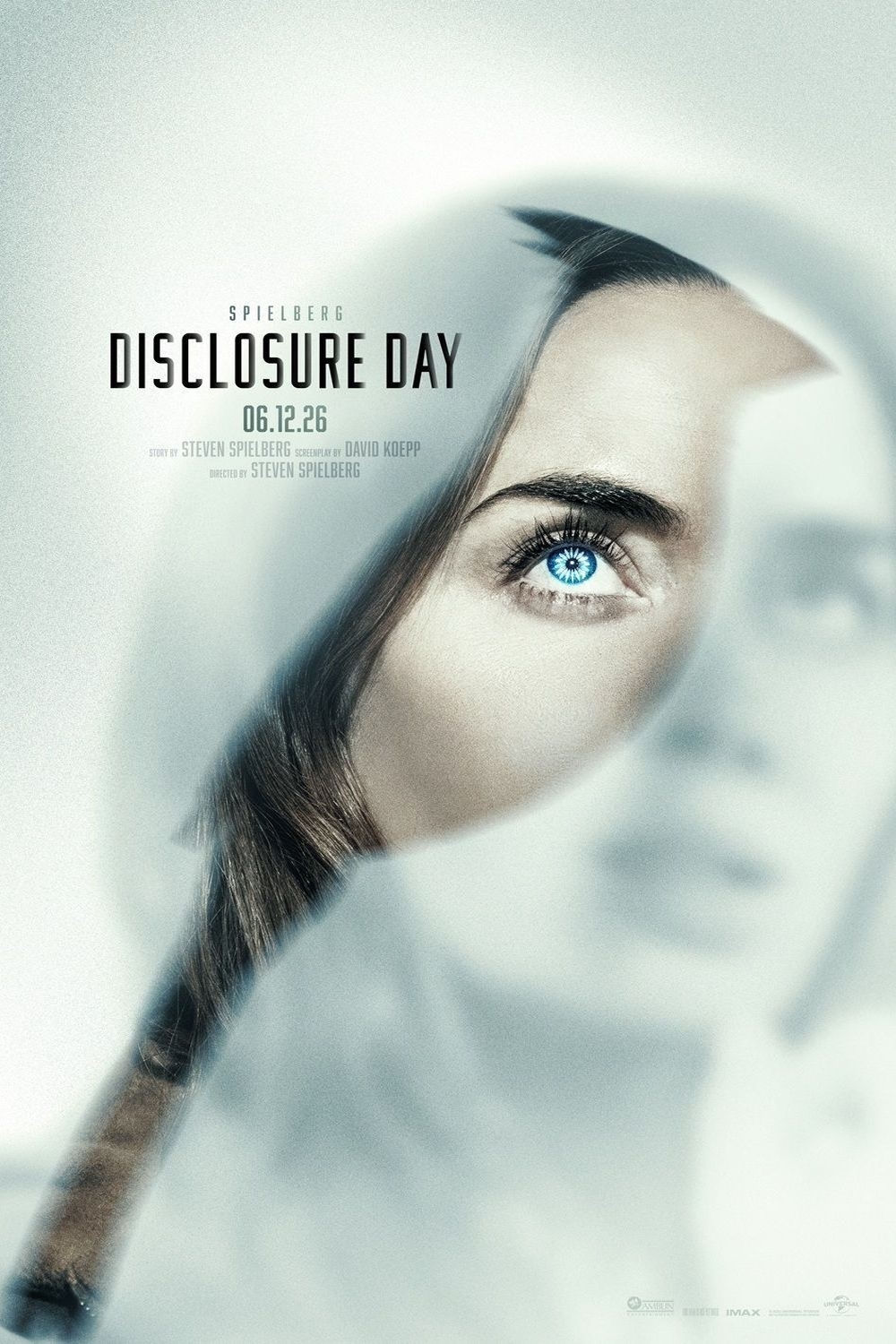 Disclosure Day is the latest blockbuster from director Steven Spielberg, following his semi-autobiographical 2022 film The Fabelmans (which was also my personal favourite movie of 2022).
And it’s a gripping film filled with mystery, intrigue and suspense, as well as surprisingly moving spiritual themes, that reminds us why he is one of the greats.
Spielberg’s Disclosure Day finds the legendary American filmmaker back in sci-fi mode. Yes, this is him playing around again with aliens for the first time since Indiana Jones and the Kingdom of the Crystal Skull in 2008, and harkening back even further to his early classics like E.T. and Close Encounters of the Third Kind.
The latter is one of the main touchpoints for Disclosure Day, a film that deals with questions around how the public would react to finding out we aren’t alone in the universe. It’s something that Wardex, the shadowy government agency at the centre of the film, is trying desperately to keep secret.
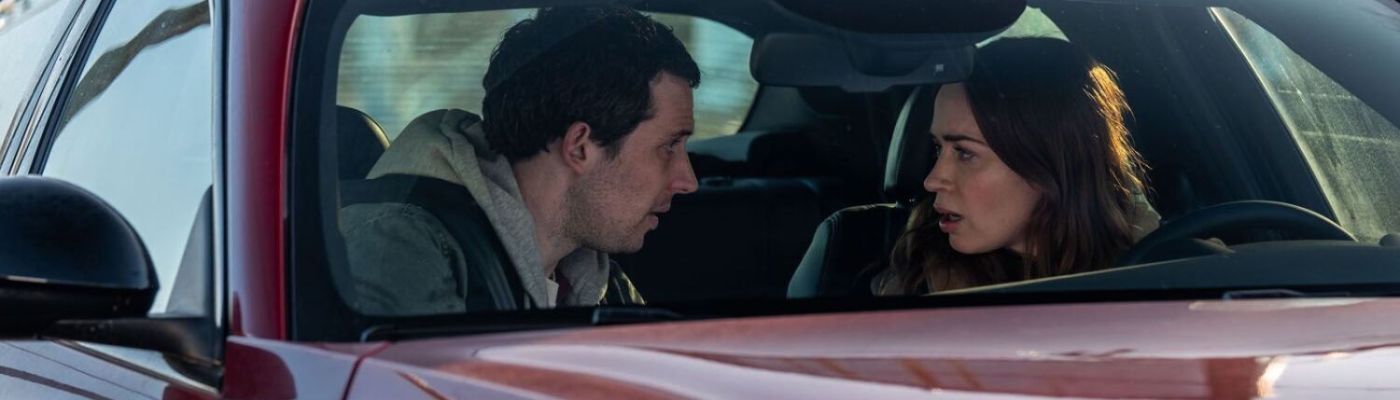
The film opens with Daniel Kellner (Josh O’Connor), a former employee turned whistleblower, already on the run from them, in possession of evidence of extra-terrestrial life, dating back to Roswell in 1947. Daniel plans to release it to the entire world in coordination with fellow whistleblower Hugo Wakefield (Colman Domingo), believing humanity has the right to know the truth, but Wardex head Noah Scanlon (Colin Firth) is desperately trying to stop them.
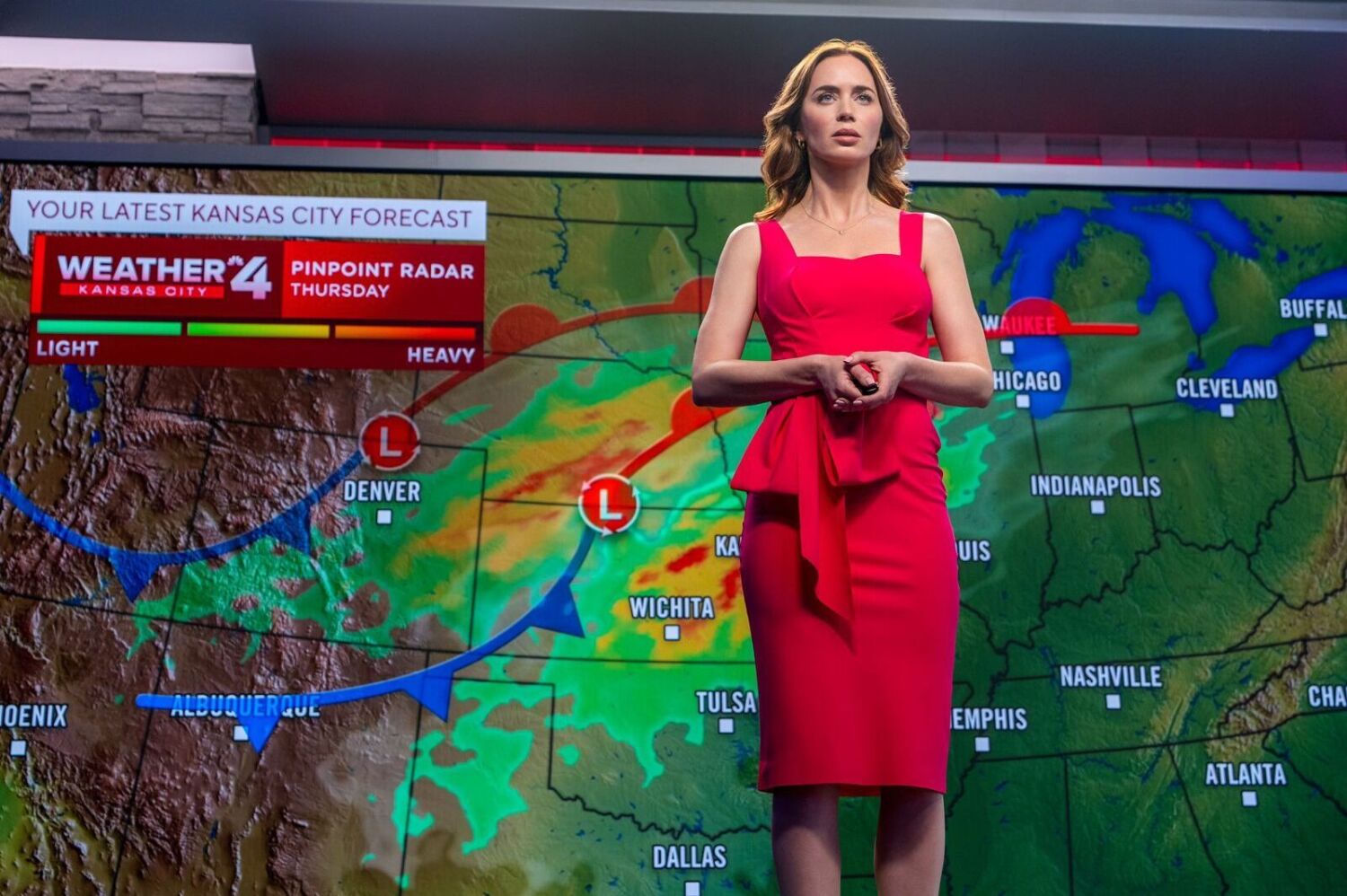
We also follow Margaret Fairchild (Emily Blunt), a weather reporter in Kansas City, who all of the sudden finds herself possessing the ability to speak different languages, including a clicking alien one during an on-air episode. Blunt is excellent in the role, balancing portraying the panic of trying to figure out what is happening to her, with the increased empathy that her character begins to display for everyone around her. It’s a magnetic performance, requiring her to go through a range of emotions (and speak different languages) during the film’s long takes.
The film has a handful of very well-staged action set-pieces, including a chase involving cars and a train that plays into Spielberg’s love of locomotives. But Disclosure Day is more of a suspense thriller, that concerns itself with the pursuit and the mystery of what these characters possess. Spielberg is great at building tension, and there is a propulsion to the film that helps the 145 minute running time fly by.
Spielberg and screenwriter David Koepp, who previously collaborated on the first two Jurassic Park movies and Kingdom of the Crystal Skull, are also grappling with a much deeper existential and spiritual question; will the disclosure of life outside this planet challenge people’s faith in God? It’s something they know how to do well, with these big ideas harkening back to the “man becomes God” themes about creating life that underpinned the action and spectacle in the original Jurassic Park.
This isn’t Spielberg simply replaying old hits, but rather exploring these themes about alien life in fresh and interesting ways. This includes the compassion humans may or may not have for these creatures. At a time when the American government actually seems on the verge of releasing proof of alien life, or at the very least in the process of declassifying many files, a film exploring the spiritual aspects of how individuals might react to this news feels fitting.
While Spielberg himself is Jewish, there are a number of Catholic undertones. A key subplot involves Daniel’s girlfriend Jane (Eve Hewson), an ex-novitiate who ends up on the run with him, navigating her own crisis of faith. Will humanity turn away from God, and begin worshipping these life-forms as deities? A conversation with her former Mother Superior, Sister Maura (Elizabeth Marvel), provides one of the most poignant moments.
Spielberg’s incredible instincts as a visual storyteller are on full display in the impeccable blocking within every scene. Working with another frequent collaborator in cinematographer Janusz Kaminski, the camera moves through each scene – including a one-take sequence following Blunt’s character through the TV studio – in a way that allows for multiple shots within the same take. There’s also the way that light plays across the faces of the actors.
This is Spielberg creating cinematic spectacle out of meaningful storytelling, melding elements of blockbuster popcorn movie and more heady ideas. Spielberg masterfully builds to a finale that delivers pure cinematic wonder, playing off a number of themes from the power that media plays in shaping narratives and helping people process information, to humanity coming together around a single event.
It’s this big-hearted sincerity that seems to be lost on some modern viewers, with Disclosure Day ultimately being an optimistic plea for empathy and human understanding. Whether or not you can suspend disbelief for this finale, and how it utilizes traditional news media in a decidedly old school way, is key to how well the film plays for people. I found the whole thing to be quite moving, including an emotional performance from Courtney Grace as a news anchor that helps tie it all together.
Finally, the film is topped off with another great John Williams score, providing emotive and thrilling accompaniment depending on the scene. It’s work that serves as a very fitting potential swan song for the iconic composer, now in his mid-nineties, who has score almost all of Spielberg’s movies. These elements all work in harmony to make Disclosure Day another example of, for lack of a better term, Spielbergian magic. It’s one of the year’s best movies, so far.