By John Corrado
In Fjord, his second Palme d’Or-winner following 2007’s 4 Months, 3 Weeks and 2 Days, Romanian filmmaker Cristian Mungiu crafts a complex film that masterfully balances being a family drama, coming-of-age story, and courtroom procedural. This is a film that exists purely in shades of grey, even literally with the washed out aesthetic and avalanches looming in the Norwegian background.
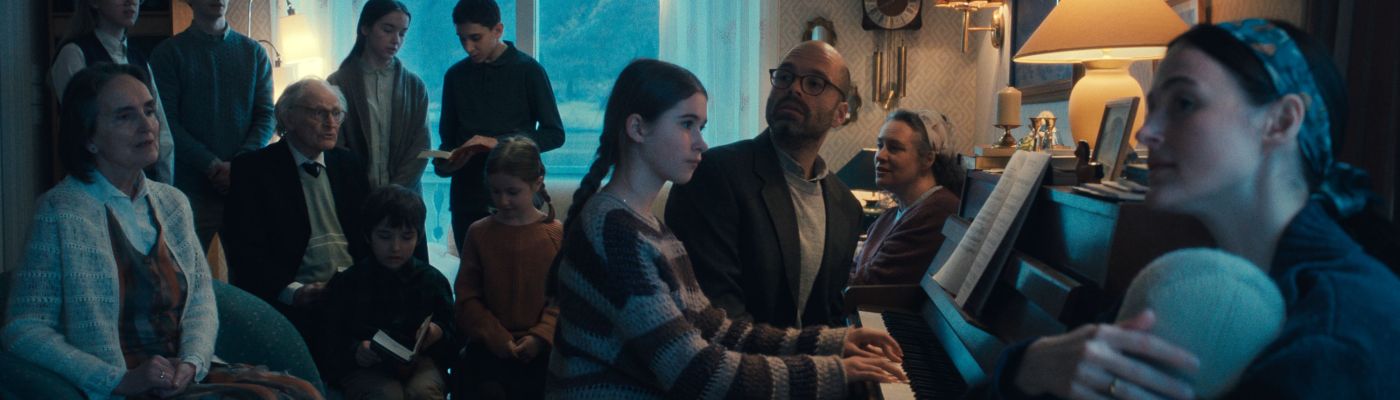
Mihai Gheorghiu (Sebastian Stan) and his wife Lisbet (Renate Reinsve) are a deeply religious couple from Romania, who emigrate to a small town in Norway with their five kids. The neighbours welcome them into their tight-knit community, patting themselves on the back for being so inclusive. But things take a much darker turn when a teacher notices bruises on one of the kids, and opens an investigation.
There is enough doubt around what actually happened to raise questions if the proudly secular school is reacting properly to potential abuse, or discriminating against the family for their traditional values and deeply held religious beliefs. Mihai, who does admit to spanking the kids on the bum when they were young, believes they are being persecuted against for their Christian values, with the school also feigning concern around the kids saying prayers and singing religious songs.
This is obviously tricky and disturbing subject matter. The film intentionally doesn’t provide easy answers, but not in a way that feels obnoxious or obtuse, instead asking uncomfortable questions about when the state should step in to protect child welfare. It’s a multilayered film, one that grapples with many deeper themes, including about the white, liberal progressives who open their town up to immigrants, but struggle to accept them when they inevitably encounter their different values and beliefs.
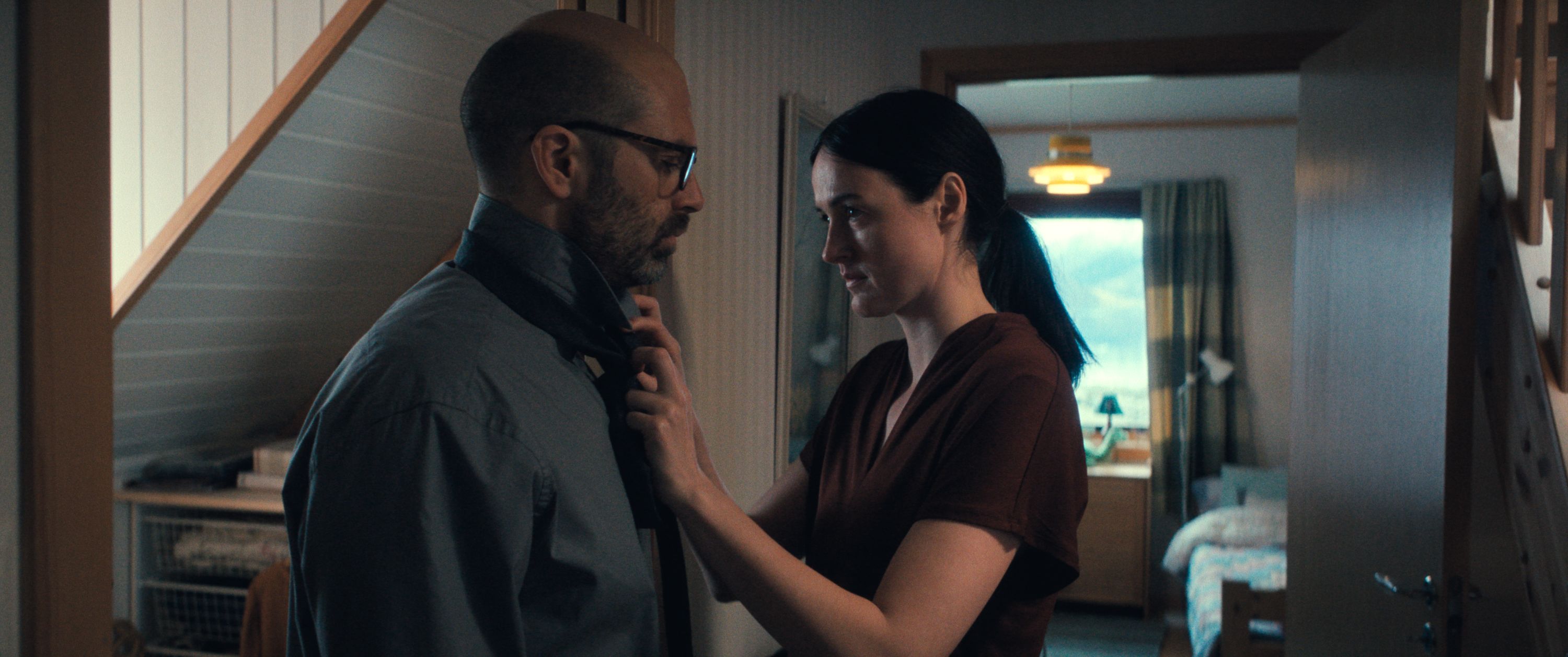
It’s carried by the brilliant performances of Stan and Reinsve. After the one-two punch of The Apprentice and A Different Man, Stan has turned into somewhat of a chameleonic presence, and he delivers some of his finest dramatic work yet as Mihai. He appears here with a balding head, facial hair, and thick Romanian accent, portraying the indignation of a man who feels like his beliefs are under attack.
Reinsve delivers powerful work as a mother at risk of losing her kids, trying to maintain her own power and composure while still subservient to her husband. She is operating in a completely different register to her roles in The Worst Person in the World and Sentimental Value, and shows incredible range, adding to an already magnificent body of work.
The film is quite long as 146 minutes, but Mungiu uses this running time to flesh out this world, working from a dense screenplay that operates around the precision of words, including some possible misunderstandings between Norwegian and Romanian language barriers. Equally impressive is the formal control of Mungiu’s direction and filmmaking, complimented by cinematographer Tudor Vladimir Panduru’s use of wide shots and long takes.
Mungiu doesn’t want to provide easy resolutions for any of his characters, instead letting the story play out in a realistic way. This approach will be frustrating for some viewers, but these lingering questions are what ultimately makes Fjord so powerful as a film. Mungiu wants the conversation to continue afterwards, and has designed the film in such a way that almost guarantees it will.


Excellent review! It’s clear that Fjord is a profound film that will spark much debate. I find it very interesting how Cristian Mungiu tackles such a delicate subject without offering easy answers or resorting to black and white thinking. Furthermore, Sebastian Stan and Renate Reinsve’s performances sound incredible. I’m definitely adding it to my list to watch and reflect on for a while! 🎬👏
LikeLike